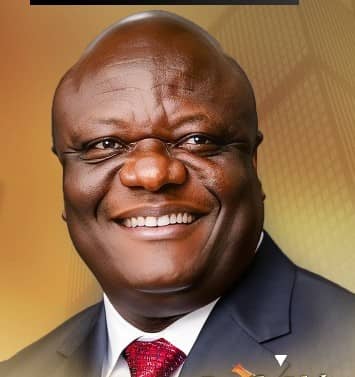
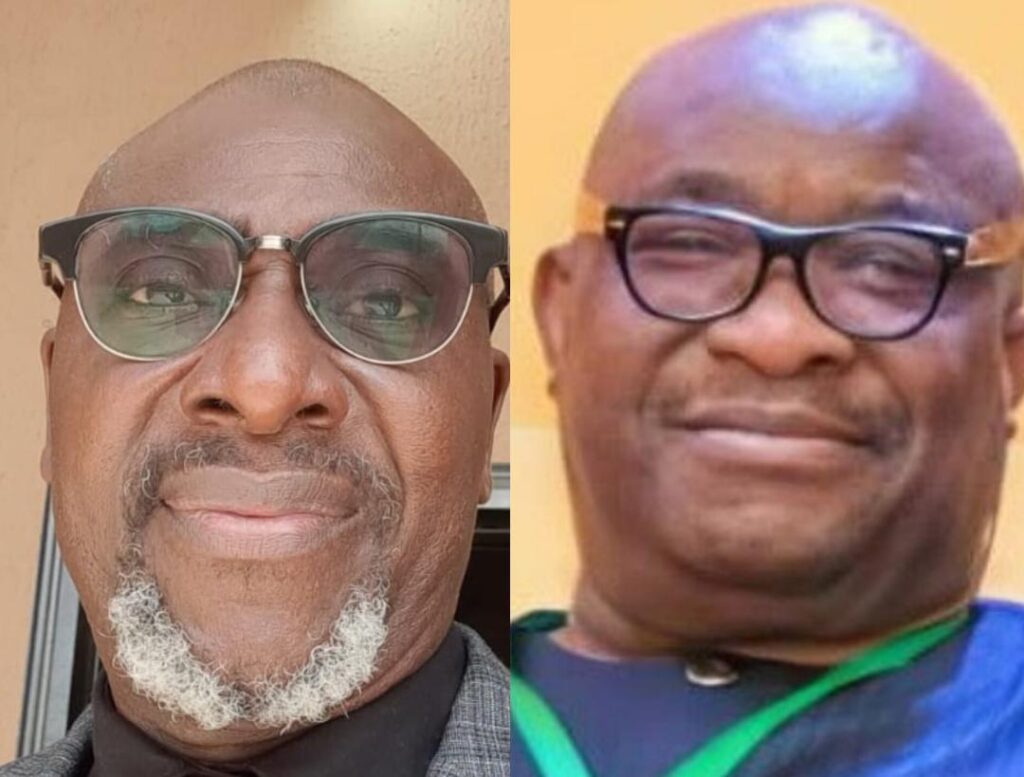
In commemoration of the 2026 World Press Freedom Day, we join in not just to celebrate the ideals of a free press, but to highlight the career journeys of some of the top advocates and defenders of press freedom in Nigeria
Among those who have distinguished themselves through the commendable leadership of the media Non-Governmental Organisations they head and the impactful advocacy work they have done over the years are Edetaen Ojo, Executive Director of Media Rights Agenda and Lanre Arogundade, Executive Director, International Press Centre
The duo have charted outstanding careers in media rights advocacy and defence, for which they are widely acknowledged nationally and globally.
Their career journeys show how to move from being practising journalists to becoming advocates of freedom who can create enabling environments for the media to perform its constitutional duties without hindrances of any sort.
Their accomplishments should be an inspiration for especially young journalists thinking of options in the media industry, either at the beginning or later in their careers.
EDETAEN OJO
Edetaen, who started his career as a judicial reporter with The Guardian Newspaper, holds a Bachelor’s degree in English Studies from the University of Ife (now Obafemi Awolowo University) and a Master’s degree in International Journalism from City University in London, where he was a British Chevening Scholar.
Along with some other colleagues, they founded MRA, which has, over the years, remained a foremost promoter of press freedom, freedom of expression and access to information in Nigeria and beyond.
Edetaen has done extensive work on access to information, media freedom and freedom of expression, media development, Internet freedom, human rights and democracy issues in Nigeria, for which he has been honoured nationally, regionally and internationally.
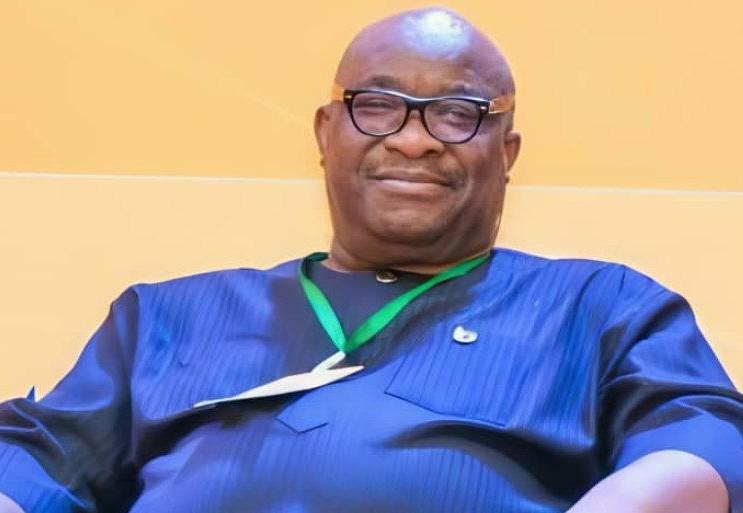
Among his various accomplishments as a media rights and policy advocate is the passage and implementation of the Freedom of Information Act in Nigeria, a campaign which lasted for twelve years. He co-led, on behalf of access to information advocacy organisations across Africa, an international campaign that led to the designation of September 28 of every year as International Day for Universal Access to Information (IDUAI) by UNESCO in Paris in October 2015 and subsequently by the United Nations General Assembly in New York in November 2019.
Since 2018, he has been a member of the Advisory Network of the Freedom Online Coalition (FOC), a partnership of 41 governments around the world working to advance Internet freedom, and has served as a Co-Chair of the coalition’s Task Force on Digital Equality. Edetaen is also a member of the Media Standards and Complaints Council of Nigeria (MSCCN), formerly known as the National Media Complaints Commission (NMCC), and Chair of the Board of the International Press Centre (IPC) in Lagos, a centre which he collaborated with other local and international civil society actors to establish as a capacity building institution providing support and assistance to Nigerian journalists and media organizations.
He was appointed by President Muhammadu Buhari as a member of the National Steering Committee (NSC) of the Open Government Partnership (OGP) in 2026 after Nigeria joined the multilateral and multinational initiative that seeks to create a collaboration between government and civil society to improve governance. He served as Co-Chair of the OGP in Nigeria alongside then Attorney-General of the Federation and Minister of Justice, Mr. Abubakar Malami, from 2016 to 2019 and subsequently served as Co-Chair of its Access to Information Working Group.
Edetaen has also been Chair of the Steering Committee of the African Freedom of Expression Exchange (AFEX); Chair of the Working Group of the African Platform on Access to Information (APAI); Convenor (Chair) of the governing Council of the International Freedom of Expression Exchange (IFEX); Chair of the Board of Directors of the Media Foundation for West Africa (MFWA) in Ghana; Chair of the Africa Freedom of Information Centre (AFIC); a member of the Board of International Media Support (IMS) in Denmark; a member of the Steering Committee of the Global Forum for Media Development (GFMD); a member of the Task Force of the UN Economic Commission for Africa (UNECA); a member of the Advisory Group of the Africa Media Development Initiative (AMDI); and a member of the Steering Committee of the Web We Want, a global campaign for Internet freedom; among others.
He is a renowned advocate for the right of access to information, for which he has been honoured by the African Platform on Access to Information (APAI) with an award for freedom of information activism in 2011.
In 2017, he got the Lifetime Award for Journalistic Excellence of the Wole Soyinka Centre for Investigative Journalism and the “Defender of Press Freedom Award“by the Nigeria Union of Journalists (NUJ) in 2018. In 2013, he was designated an Internet Freedom Fellow by the U.S. State Department and in 2024, named by the Collaboration on International ICT Policy for East and Southern Africa (CIPESA) as one of 10 digital rights experts who have shaped Africa’s digital and Internet freedom advocacy landscape over the past 10 years. Since 2022, he has served as a member of the faculty for the annual African School on Internet Governance (AfriSIG).
LANRE AROGUNDADE
Arogundade, a graduate of Psychology from the University of Ife (now Obafemi Awolowo University), was a former national student union leader and Chairman of the Lagos Council of the Nigeria Union of Journalists.
He was the leader of Lagos NUJ from 1995 to 1999, during which he led campaigns and protests against military serial violation of press freedom and journalists’ rights, as a consequence of which he was arrested and detained for one month in a police cell in Ibadan on a framed murder charge before a law court discharged and acquitted him. In the area of knowledge, the Lagos NUJ at that time published the authoritative ‘Journalism in Nigeria – Issues and Perspectives’.
On account of his bold advocacy and campaigns for media independence and freedom, Arogundade was named co-recipient of the maiden press freedom award of the West African Journalists Association (WAJA), in Banjul, The Gambia, in 1997. He’s also a 2018 recipient of the Press Freedom Award of the Nigeria Union of Journalists.
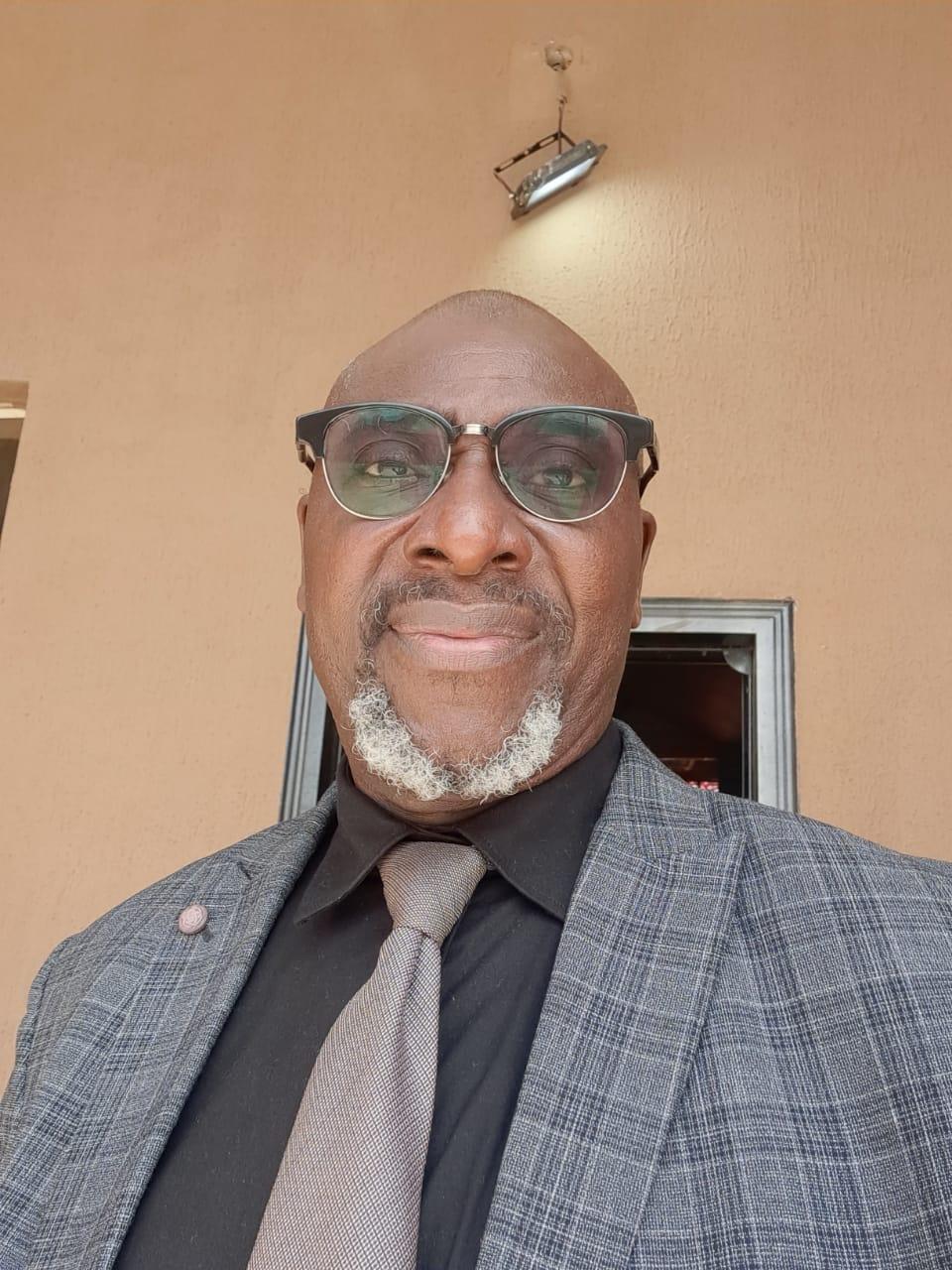
He worked across the print, broadcast (Radio) and Online media, including The Republic, National Concord, Vanguard newspapers, Panos Radio, Voice of America and African Flame, journal of the African Social Forum, as a journalist.
A media development specialist with a passion for media professionalism and independence, Arogundade is also a media trainer, researcher, advocate for freedom of the press and author of ‘Media and Elections: The Professional Responsibilities of Journalists’. He has been the Coordinator and later Executive Director of the International Press Centre, IPC, Lagos-Nigeria, a media resource centre established to facilitate the role of the Nigerian and African media in democracy and development.
IPC under his watch was a foundational member of the Freedom of Information Coalition, with the organisation being on record as the first to hold public hearings on the Freedom of Information bill in Ibadan, Benin and Port Harcourt, which helped to expand the scope of advocacy beyond the media to include civil society groups, academics, trade unions, among others. IPC also plays a global role in Press freedom initiatives as a member of the International Freedom of Expression Exchange (IFEX) and Global Forum for Development (GFMD). IPC is the Nigerian national partner of the Media Foundation for West Africa (MFWA).
Arogundade serves as a consultant to local and international media, development, and gender organisations. Some of his research includes Media and Masculinities – the Role of Key Media Outlets in Nigeria in Shaping Perceptions of Masculinities, for V4C/DFID and How Conflicts of Interest Damage Ethical Journalism – A Global Survey on Current Media Concerns for Ethical Journalism Network.
He has been a two-time member of the Africa Media Barometer for the Friedrich-Ebert-Stiftung and moderator/author, country chapter report (Nigeria) for Media Sustainability Index for International Research & Exchanges Board (IREX).
Among others, he is a member of the Association of Communication Scholars and Professionals of Nigeria (ACSPN), International Press Institute (IPI), Nigeria Guild of Editors (NGE), Investigative Reporters and Editors and Nigeria Union of Journalists (NUJ).
MOTIVATION
Edetaen justified his work thus: “My motivation comes from my very firm belief that freedom of expression in all its dimensions, which includes the right to seek and receive information and ideas of all kinds as well as the right to express one’s opinions freely, is critically important for human progress and development. Without information, we have no hope of becoming a knowledge society and under such a situation, we cannot make much progress. As people in the business of information, we therefore have a responsibility to contribute to shaping the information environment to make it more conducive for the practice of our profession and to bring progress and development to our society.”