
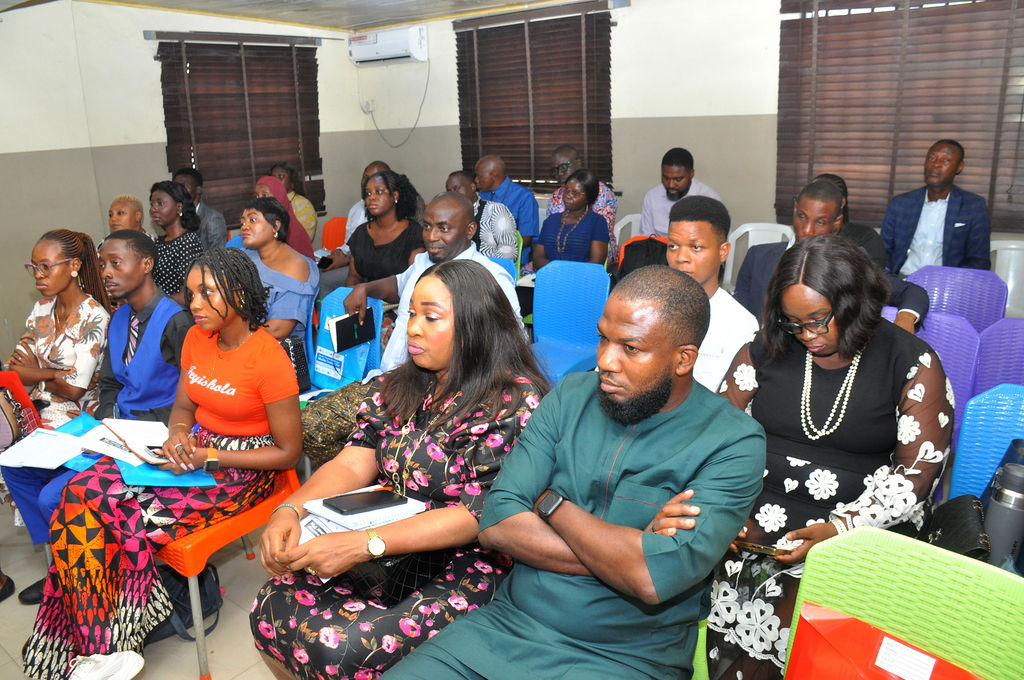
State of Media Career Development Report presented by Executive Director of Media Career Development Network, Lekan Otufodunrin, at the launch of Media Career Fix supported by NLNG
“At this stage, I am navigating a transition in my career, and the absence of a clearly defined pathway or structured guidance means I often have to make strategic decisions independently. This can slow clarity around positioning and long-term direction.”
The above complaint is from one of the over 150 journalists from across the country who filled out the form to participate in the Media Career Check-Up/Media Career Fix programme by the Media Career Development Network, supported by Nigeria LNG Limited.
“Limited access to consistent, high-level mentorship means I do not always have the benefit of experienced insight when making critical career or editorial decisions, which can impact how quickly I refine and scale my work,” the journalist added.
The responses by others to the question on how the lack of career guidance and mentorship has affected their career were similar to the one by the journalist quoted above, along with other challenges they highlighted, signifying the worrisome state of media career development in the country and the need for career development support for journalists to accomplish their goals and aspirations.
“I believe I felt stuck for a long time before my current role. If I had the right mentor, they would have helped me make the right decision early enough to pivot to my current role, which I had dreamt of and set as a goal before getting into the media industry,” another journalist stated.
Media Career Check-Up is modelled after the well-known medical check-up, intended to assess well-being and take necessary treatment and precautions to stay healthy. Early detection is key to treating any disease, however severe, and this can also be applied in our profession.
In the State of Media Career Development Report presented by Executive Director of MCDN, Lekan Otufodunrin, he noted that unlike in other professions, the media work environment is generally not ‘healthy’ and there is not enough in-built system for regular check-up and treatment.
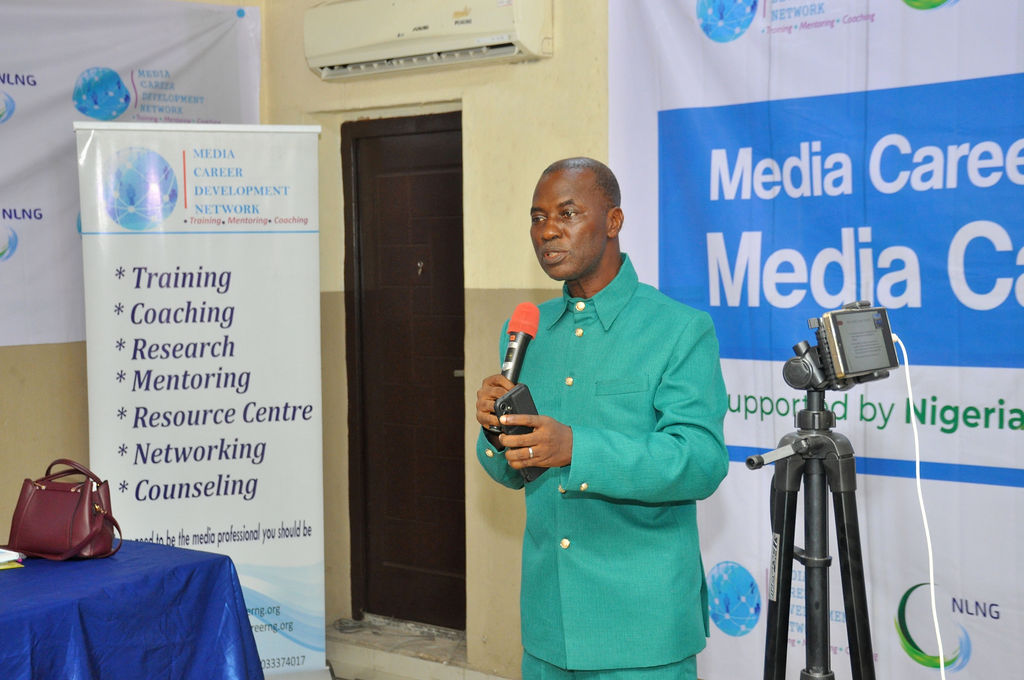
“Where they exist, many don’t know and don’t take advantage of them. Many of us work, work and work until we crash out,” he noted.
The first Media Check-Up conducted in 2025 revealed the following:
- Many CVs were too skeletal, lacking details about roles, achievements, and training.
- Objectives were often vague, instead of clear mission statements.
- Few had well-structured documentation of career timelines, fellowships, or recognitions.
- Several journalists did not clearly articulate their short- and long-term goals.
- Career planning was often reactive rather than strategic.
- Many were not actively leveraging LinkedIn, Facebook, or X (Twitter) for professional visibility.
- Published work was rarely shared consistently online with commentary or engagement.
The new check-up conducted in March 2026, ahead of the Media Fix programme, was designed to specifically help journalists:
✔ Assess their career progress
✔ Identify gaps affecting their growth
✔ Receive personalised recommendations
✔ Access mentoring, coaching, and capacity-building support
Interested applicants were required to, among others, summarise their career journeys, challenges hindering their progress and specific support they require to achieve their career goals and aspirations.
At the close of the deadline for completion of the online form, 158 forms were received from a cross-section of journalists in the country working in print, broadcast and multimedia organisations.
The findings from the responses of the journalists are classified into five areas:
- Lack of Mentorship & Career Direction
- Limited Access
- Lack of Tools, Training & Digital Capacity
- Safety, Ethics & Institutional Constraints
- Poor Remuneration & Financial Instability
Mentorship and career direction
• There are so many “Figure it out yourself” career journeys that have left many confused and stagnated.
• No structured newsroom guidance
• Weak or non-existent junior-to-senior level mentorship
• Lack of career planning clarity
- “Mentorship Access: Limited access to consistent, high-level mentorship means I do not always have the benefit of experienced insight when making critical career or editorial decisions, which can impact how quickly I refine and scale my work.”
Limited Access
*Information / data
• Sources / institutions
• Platforms / visibility
• Training & fellowships
• Networks
• Geographic disadvantage (outside Lagos/Abuja)
“A major challenge has been limited access to structured training opportunities within government-owned media organizations. As a result, I have had to take personal responsibility for my professional development by sourcing and funding relevant training programmes independently. I have also worked in environments where motivation levels can be low due to systemic constraints, which at times affect productivity and innovation. Navigating such settings has required a high level of personal discipline and commitment to maintaining professional standards.”
Lack of Tools
- No modern equipment (laptops, cameras, tools)
• Limited exposure to:
• Data journalism
• AI tools
• Multimedia storytelling
• Few structured trainings
“Limited digital and technical skills affect my ability to fully leverage modern journalism tools, such as content management systems, data visualization software, multimedia editing tools, and analytics platforms. As a result, producing more polished, engaging, and data-driven stories can take longer or be less impactful.”
Safety, Ethics & Institutional Constraints
- Arrests, harassment, threats
• No insurance or safety nets
• Editorial restrictions (especially state media)
• Gender bias & harassment
• Political interference - “Another challenge has been operating within the framework of a government-owned media institution, where editorial independence can be constrained. This has required careful balancing of professional ethics with institutional policies while striving to maintain credibility and public trust.”
Poor Remuneration
Delayed salaries, unpaid roles, and stipends
• Inability to fund:
• Training
• Equipment
• Investigations
• Freelancers especially affected
- *Income constraints, especially in the early and mid-stages of my career, directly affected my reporting capacity. Enterprise and investigative journalism often require personal investment, including travel, data acquisition, and logistics, which are not always covered institutionally. Limited welfare support also affects my overall productivity, as financial pressure restricts the time and resources available for deep, long-form or data-driven stories.
Specific support required by the journalists as follows:
International opportunities 56
Story Development 7
Career Strategy 13
Mentoring 36
Access to Experts/Sources 12
Relevant editorial training 34
- *From what we have read about some of the applicants, some of them need more than what they indicated as their major requirements to boost their careers. We plan to help them figure out what their priority should be.
- For example, getting international opportunities is a function of the quality of work done over time and other skills.
To support the journalists in fixing the challenges revealed in the survey responses, the MCDN plans to offer each of them personalised replies, participation in webinars covering cross-cutting challenges and Bi-Monthly mentorship and accountability sessions.
Specifically, the Media Career Fix will provide the following:
*Career Strategy and Clarity
*Structured mentorship System
*Access enablement
*Skills, tools & Digital Readiness
*Economic Empowerment and sustainability strategies
*Safety, welfare and professional confidence
READ ALSO: Media Opportunities: Understanding the selection matrix