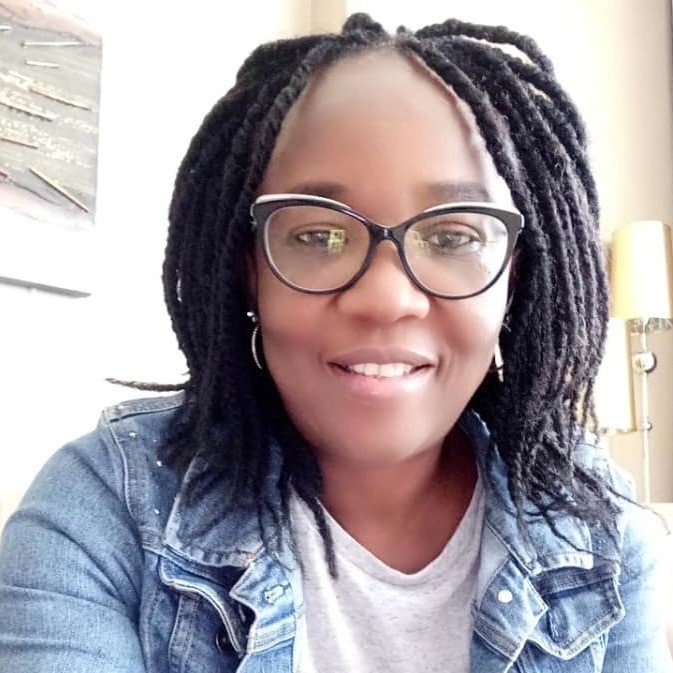
Former Saturday Times Editor, Ms Angela Agoawike writes on her memorable experience working in the company.
The old Daily Times was an institution, a training ground for young journalists with dreams. My dream then was to be a great reporter/journalist, and the institution gave me that opportunity.
I started off as a reporter on the Woman’s Desk in the Features Department. From there, I was deployed to Times International. Coming from the Woman’s Desk, I used to receive invitations mostly from women-focused and women-led organisations. One day, when one such invite arrived, the editor stopped me from attending.
He said to me, “you are a journalist who happened to be a woman, not a woman who happened to be a journalist”. He pulled me into the mainstream of reporting, and I was later to coordinate the Back-of-the-Book section of the magazine. I also wrote cover stories on diverse topics and actively participated in the production of the magazine, which often was an all-night affair.
When the editor was redeployed to edit the Sunday Times, I was one of those he took from Times International. At the Sunday Times, I worked with the Sunday Magazine team. I covered a number of important events, including the 1993 election that was annulled, the anti-military/pro-democracy protests, and the murder of Kudirat Abiola, among others.
I also reported on Society and Entertainment. One of the memorable events that I covered was a reception held for Chief Ernest Shonekan by the UAC following his appointment as Chairman of the Interim National Government (ING). I also interviewed the late Fela Anikulapo Kuti following Shonekan’s appointment.
I mention the Shonekan reception because for me, it was an interesting experience that showed commitment, tenacity, excitement and the extent a reporter would go in order not to disappoint an editor who believes in her ability to deliver.
The reception, a Saturday evening event, took place at the MUSON Centre on the Island, and Daily Times was at Agidingbi, Ikeja, on the Mainland – two opposite ends of the city. I covered it with the Photo Editor, Sunday Tumo Ojelabi, and we were to file the story the same night for the Lagos-West edition of the next day’s paper – Sunday Times.
The editor gave us his official red-and-white Peugeot saloon car to facilitate our movement, and I would say we delivered. The event had not ended when we left the MUSON centre at about midnight and went straight back to Agidingbi, Ikeja. I quickly wrote the story, and it made both the front page and an inside spread of the Sunday Times. Ms Duro Onabolu, UAC’s public relations advisor, then sent me a wonderful thank-you letter for the report. She said she did not even know that I was there until people drew her attention to the report.
During this period, I was encouraged by the Editorial Page Editor to write editorial opinions, and I occasionally even drafted editorials. I remember one of my opinions then – a response to a story on “Who is an African?” which was reviewed by the BBC. I also won the Chairman’s award as Staff of the Month twice. I think, but am not quite sure now, that it was a N250 prize.
Most times then, at the end of the production of the second edition (Lagos-West edition) on Saturday nights, the editor would pack some of us in his car, and we would go to the French Cultural Centre in Ikoyi to watch Lagbaja perform. When Mr Peter Enahoro came as the sole administrator of the Daily Times, he auditioned three of us to keep a personalised column in the Sunday Times. I was picked and so was born – Angela on Sunday, which he directly supervised.
For what I call my second missionary journey, it was during the tenure of the late Dr. Onukaba Adinoyi Ojo. As one of the journalists who left Nigeria on ‘exile’ during military rule, he lived in New York and worked at the United Nations. I had met him when I went to cover one of the UN Preparatory Committee Meetings on the establishment of the International Criminal Court, on the ticket of an NGO – the Constitutional Rights Project, CRP.
I was working at the Media Foundation for West Africa, in Accra, Ghana, when Onukaba was appointed as the Group Managing Director of the Daily Times. I had reached out to congratulate him, and he said ‘you must come back to the DTN, which I did, following my return from Accra, 3 months later.
I rejoined the DTN as a member of the Editorial Board under the leadership of Segun Babatope. In fact, I was in the Editorial Board office when the planes hit the World Trade Centre towers on 9/11. From the Editorial Board, I was drafted to edit the Daily Times on Saturday, following the death of the editor. It was my second stint as Editor of a title, having edited the Sunday Post Express before I went to Ghana.
This was the most financially difficult time for the Daily Times Group, and it drastically impacted the production of the papers. Staff were owed salaries of as much as 18 months. We were eventually paid the areas following DTN’s privatisation by the Bureau of Public Enterprises, BPE. Shortly thereafter, I resigned from the organisation.
I would say that the pre-privatised Daily Times was part of the preparation for the height I achieved in journalism. A lot of my contacts to date were mostly people I met while at the DTN. My relationship with the DTN taught me resilience, versatility and resourcefulness. From a furniture exhibition, then, I would report for the Woman’s page, write news story, an OPED, and feature article. It also enhanced my ability to multitask on the job.
READ MORE DAILY TIMES @100 RECOLLECTIONS
‘Daily Times was a great paper with some of the nation’s best talents’
‘Daily Times opened doors for me’