For weeks, my class group chat on WhatsApp has been alive with a single recurring topic: internship placement letters, follow-ups, and the relentless search for a place to train.
As undergraduate communications students prepare to step out of the classroom and into the professional world, the journey to securing an internship has tested everyone’s persistence, strategy, and patience.
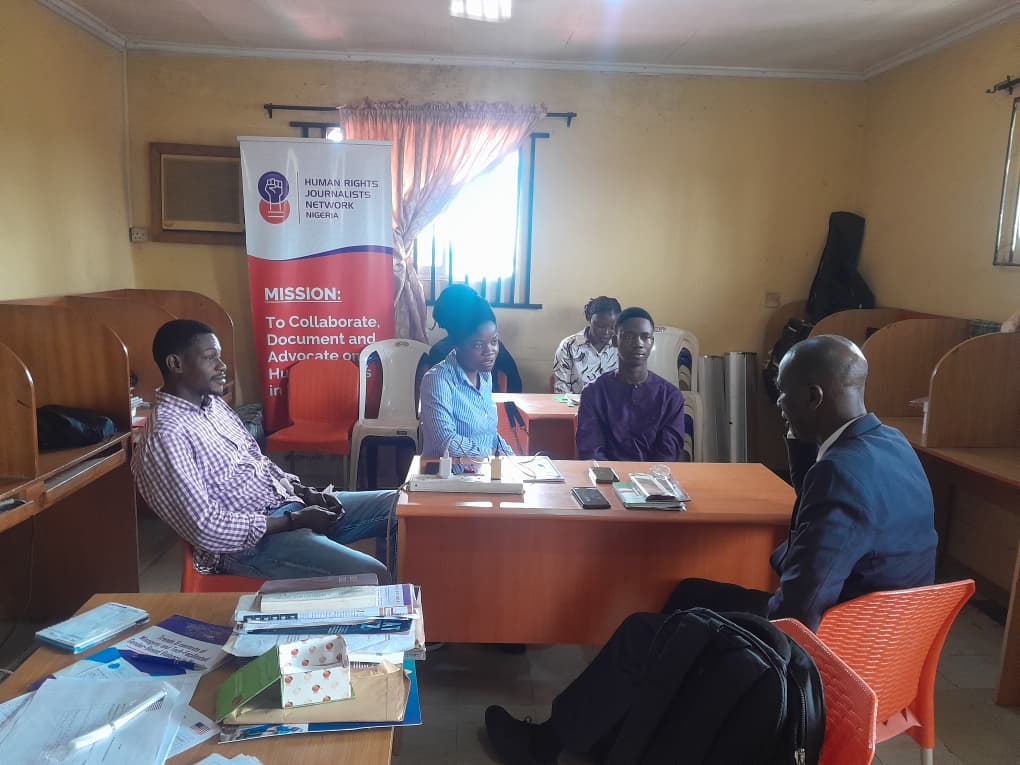
To understand how my peers are navigating this process, I reached out to members of our cohort via direct messages to document what it actually takes to find a placement in today’s media and corporate landscape.
The feedback I got showed that traditional approach of mailing hard-copy letters is no longer the sole method. While some students still drop off physical letters at corporate offices, online channels and digital networking have taken center stage.
Relying on a single application method is rarely enough, as Isaiah Emmanuel explained that combining physical visits to drop off official placement letters with direct email follow-ups and LinkedIn networking proved essential in reaching targeted media organizations and PR firms.
Despite these varied approaches, accessibility remains a significant hurdle.
READ ALSO: Our learning experience so far – Interns
Regarding how open roles are in traditional and digital media spaces, Nwachukwu Deborah highlighted the competitive reality facing students across the region.
She pointed out that opportunities are quite limited and extremely competitive because multiple institutions dispatch interns during the exact same window, making constant follow-up a necessity for securing a spot in a top media firm.
Nevertheless, students who target specific agencies early and align their applications with their career interests are finding success, even in highly competitive creative sectors.
Sharing her experience landing a spot at a prominent advertising and integrated marketing agency in Lagos, Toluwalase Ogunade confirmed her acceptance at SO&U, where she had initially set her sights.
When primary choices were slow to respond, other students expanded their horizons beyond traditional newsrooms. Abu Divine explained how pivoting opened up new possibilities when traditional broadcast stations were taking time to respond, leading him to explore corporate communications desks, digital content creation roles, and communications positions within non-governmental organizations.
Reflecting on the hurdles faced during the search, Akpan Blessing suggested that releasing official placement letters earlier in the academic calendar would give students a vital head start before corporate slots fill up, adding that a departmental database of companies that regularly take interns would save weeks of blind applications.
Obianuju is a student intern from Mountain Top University, Ibafo, Ogun State, Nigeria