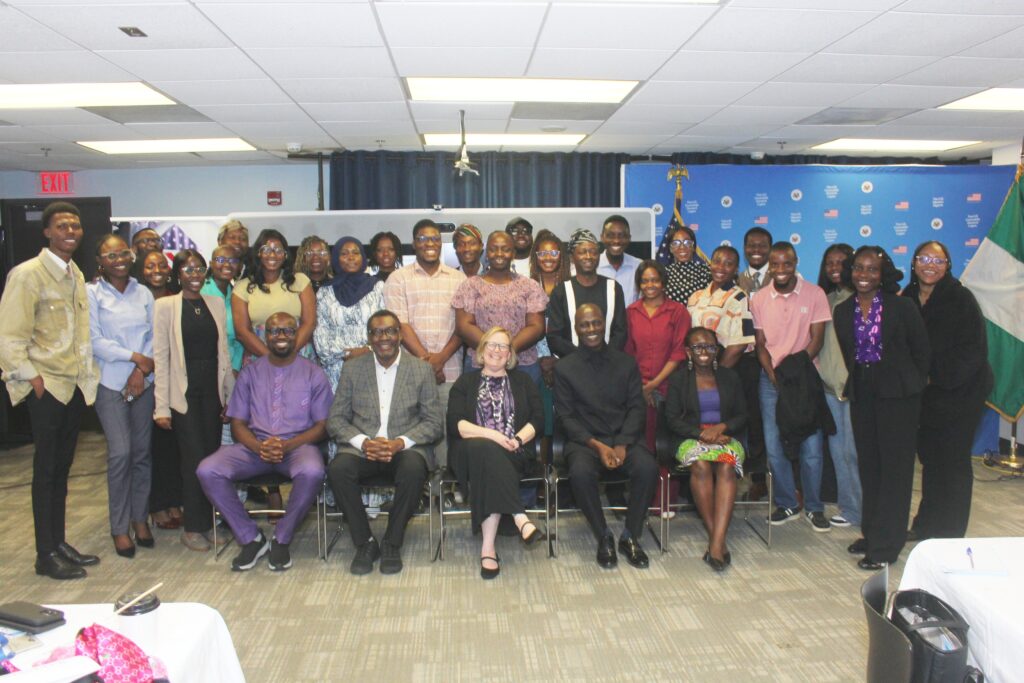
The United States Consulate in Lagos, in partnership with the Media Career Development Network (MCDN), has flagged off a new year-long journalism training programme with a call on journalists to improve reporting the creative economy.
The inaugural session, held at the U.S. Consulate in Lagos on Wednesday, focused on reporting the creative economy with former Editor of The Punch and Lagos State Commissioner for Information/Tourism, Arts and Culture, Mr Steve Ayorinde as the facilitator.
On behalf of Public Affairs Officer, Julie McKay, US Consulate staff, Ibrahim Aliyu highlighted U.S.–Nigeria collaboration in the creative economy and exchange programmes available to Nigerian creatives.
In the presentations, the creative economy stood out as a central theme—highlighting how music, film, fashion, gaming, visual arts, and cultural heritage are generating economic value and global visibility for Nigeria.
Scheduled to run across 12 monthly sessions in multiple centres—including Lagos, Ibadan, Benin City, Calabar, Port Harcourt, Awka, and Enugu—the expanded initiative targets early- and mid-career journalists across print, online, radio, and television platforms.
Ayorinde urged journalists to own their beat and examine the business side of the creative sector.
According to him, journalists covering the creative economy which includes, arts, culture, music and others should position themselves as a brand and be consistent in their coverage.
He challenged reporters to interrogate financial claims and value chains across music, film, fashion, crafts, and digital creators.
He noted that several developments within the creative sector often go unreported, not necessarily because there are no stories to tell, but because journalists have conditioned themselves to pay little attention to such issues.
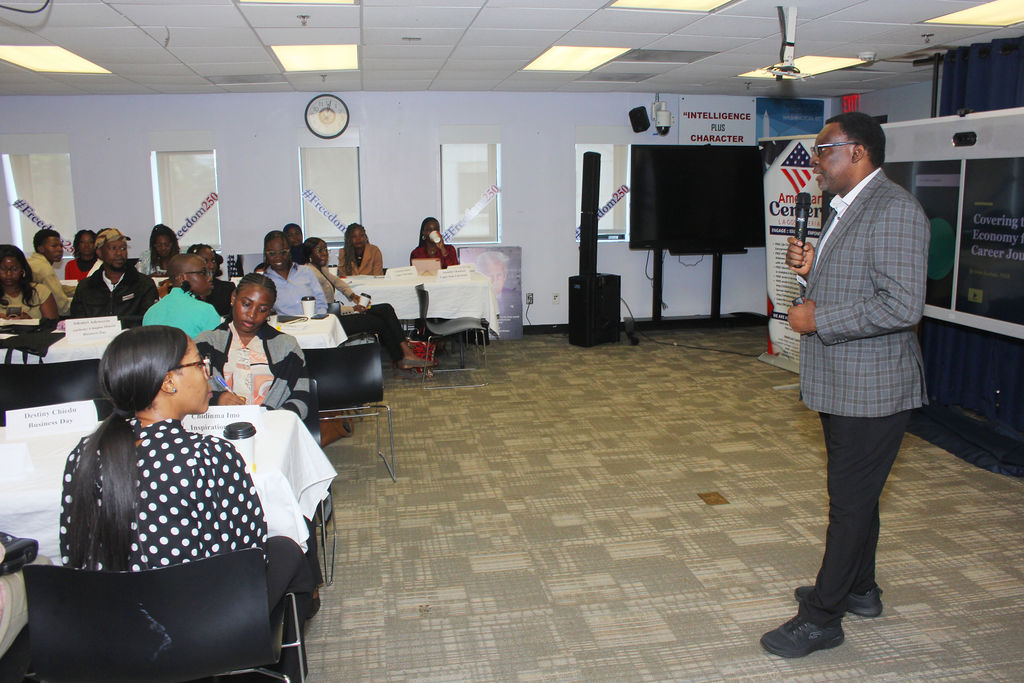
He urged participants to be more deliberate about identifying and reporting stories within the creative economy, stressing its enormous potential for growth and its significance to the future.
Mr Ayorinde challenged the reluctance of some journalists to identify as content creators, pointing out that journalism itself involves creating content through writing, reporting, photography and other forms of media production.
Presenting on behalf of Public Affairs Officer, Julie McKay, US Consulate staff, Ibrahim Aliyu highlighted U.S.–Nigeria collaboration in the creative economy and exchange programmes available to Nigerian creatives.
The US government exchange programmes include The American Music Mentorship Program, International Visitors Leadership Program, Global Media Makers, which is for filmmakers and the African Film and Leadership Initiative.
On commercial diplomacy and job creation, Aliyu stated: “While the, creative economy matters, Commercial diplomacy is a top priority for the US government, and Nigeria’s creative sector is a natural partner in that effort.”
“The creative economy is more than entertainment. It is a source of trade, investment, jobs, and intellectual property.
“Nigeria has the talent and the stories. The next stage is building businesses around them, businesses that own intellectual property, importantly, attract investment, access international markets, create jobs, and generate lasting value. That is where the US-Nigeria Creative Economy Partnership has enormous potential.”
He urged journalists to help the public, investors, and policymakers understand that opportunity.
Welcoming participants to the inaugural session of the second-year programme in Lagos, MCDN Executive Director Lekan Otufodunrin recalled that in the six Bi-Monthly Journalism Clinic held last year with the support of the Consulate over about 150 journalists were trained in various aspects of journalism and new media practice by experienced journalists and experts.
He commended the U.S. government for its commitment to supporting independent journalism in Nigeria and appreciate the opportunity to provide the training and networking opportunity for journalists in Nigeria to enhance their skills.
Otufodunrin said MCDN remains committed to helping media professionals build stronger, more sustainable, and fulfilling careers through programmes like the Journalism Clinic.