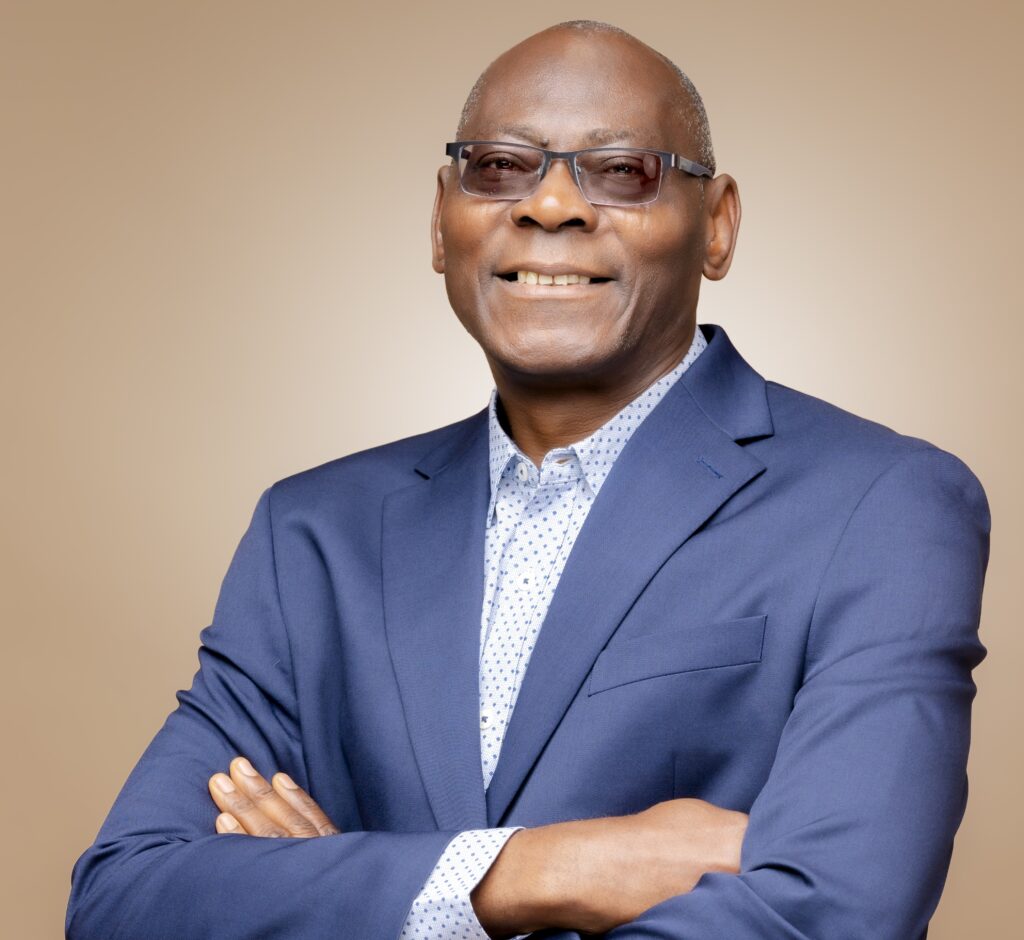
Before relocating from Nigeria to the United States of America in 2021, Deba Uwadiae worked with the defunct Republic Newspaper and Vanguard Newspapers. He was also publisher of Aviation Weekly magazine, Business Travel magazine and Flight Schedules in the aviation industry. Uwadiae who is now the publisher of The New Americans magazine in Columbus, Ohio in the US.
In this interview with Lekan Otufodunrin, he recalls his journalism journeys, spoke on the ten years of publishing in the US, what is takes to succeed in journalism and other issues.
Questions Congratulations on your award as the Outstanding Journalist of the Year, Diaspora category by the Nigeria Press Council. What does the award mean to you?
Thank you very much. Honestly, receiving the Outstanding Journalist of the Year Award in the Diaspora category from the Nigeria Press Council means a lot to me. It is both a humbling and deeply gratifying honor. I am grateful to those that nominated me and the NPC for considering me, even though I am abroad. It affirms the importance of giving a voice to our communities, highlighting their contributions, and ensuring that their experiences remain part of the national conversation.
Beyond the personal recognition, I see this award as a tribute to my families, here in Columbus, Ohio and in Nigeria, the many sources, colleagues, mentors, and readers who have supported my work over the years. It also serves as an encouragement, especially to those of us still practicing in the diaspora, to continue upholding the highest professional standards of journalism, especially at a time when factual, responsible, and ethical reporting is more important than ever.
How would you describe the 10 years’ journey of your magazine that was celebrated recently? What informed the focus of the magazine?
Magnificent 10 years! Our 10-year journey has been a story of vision, grit, resilience, consistency, and growth. When we started the magazine a decade ago, our goal was not simply to publish stories but to create a credible platform for the underserved, the immigrant community and the rest of the community, that informs, educates, and inspires our audience. Like every media organization, we faced challenges ranging from funding constraints to the rapidly changing media landscape, but we remained focused on our mission and continued to evolve.
Over the years, the magazine has grown in reach, influence, and relevance. We have covered important issues, celebrated achievements, amplified underreported stories, and provided a voice for people and communities whose contributions deserve recognition. The recent celebration of our 10th anniversary was therefore not just a milestone but a testament to the trust of our readers, the dedication of our team, and the support of our partners and stakeholders.
The focus of the magazine was informed by a clear understanding of a gap in the media space and a desire to address issues that directly affect our target audience, the first generation Americans, immigrants and refugees that were not adequately covered. We had only one daily newspaper (print or digital) in Columbus at the time we started in 2016. Most times you see stories of immigrants, it is always about the crimes. Such stories, unfortunately, paint immigrants as people causing problems in the community. We therefore recognized the need for a publication that would go beyond such misconception and the headlines to provide in-depth analysis, human-interest stories, and solutions-oriented journalism. Our editorial philosophy has always been guided by relevance, credibility, and impact.
Would you say you have accomplished your goals?
I would say we have accomplished many of the goals we set for ourselves, but not all of them, and that is a good thing because it means we still have new frontiers to conquer.
When we launched the magazine, our primary goals were to establish credibility, build a loyal readership, produce quality journalism, and create a platform that would inform, educate, and inspire our audience, the immigrants and the community. Looking back over the last 10 years, I believe we have made significant progress in all these areas. The growth of our readership, the recognition we have received, the impact of our stories, and milestones such as our recent anniversary celebration are evidence that we are moving in the right direction.
However, journalism is an evolving profession, and success is not a destination but a continuous journey. While we are proud of what we have achieved, we are also aware of the opportunities that still lie ahead, including expanding our reach, embracing new digital platforms, deepening audience engagement, and increasing our impact both locally and internationally.
We have discovered along the way the need to establish a nonprofit, New American Community Information Center, to work with other nonprofit organizations and relevant agencies to inform, educate, train and support the community in ways the publication may not be able to.
We now partner with the City of Columbus Department of Neighborhoods to discover, train and empower youths with writing skills through our Media Youth Development program.
We are embarking on developing a corps of community reporters who will serve as reporters for us in their community, since we do not have enough staff to cover community stories and activities. We have already started the pilot program but we hope to establish it formally.
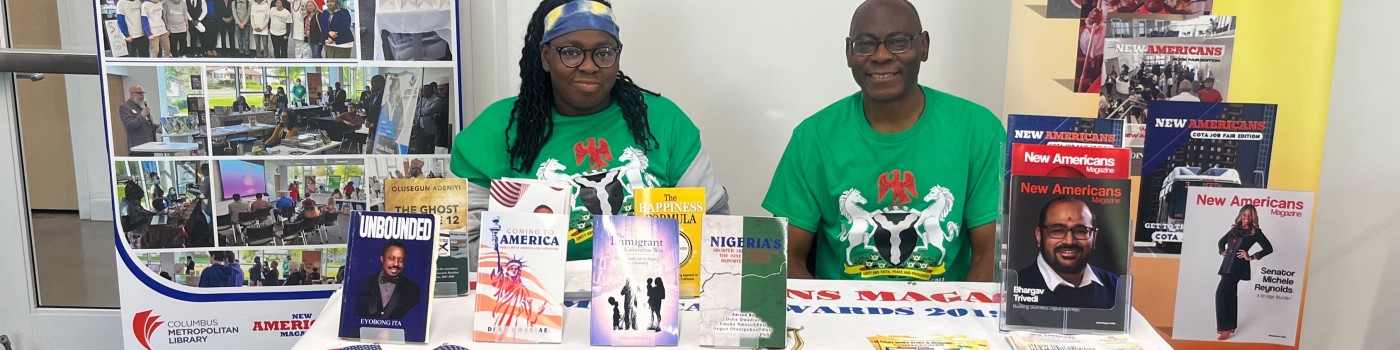
Also, we have established the New Americans Book Fair which is in its fifth year to bring out new writers, artist, actors, and promoters, and expose them to the society.
So, I would describe our achievements as substantial but not complete. We have built a strong foundation and fulfilled many of our original objectives, but our vision continues to grow.
What other plans do you have to expand the reach and impact of your publication?
We currently publish digitally online daily and bimonthly in print. The media landscape is changing rapidly, so expanding our reach and impact requires both innovation and adaptability. Over the next few years, we plan to strengthen our digital presence by investing more in our online platforms, social media engagement, multimedia content, and mobile-friendly storytelling to reach wider and younger audiences.
We also intend to deepen our coverage of issues that matter most to our readers while expanding our network of contributors and correspondents across different regions and within the diaspora. This will help us bring more diverse perspectives and richer content to our audience.
We are also exploring new platforms such as podcasts, video content, special reports, and events that will allow us to engage audiences beyond the traditional print and digital formats. The goal is not only to increase readership but to create a vibrant community around the publication.
What does it take for a Nigerian journalist to have a successful publication/platform in the US or any other country?
My own story was that I couldn’t get a job as a journalist in Columbus, Ohio when we arrived in 2011. There was only one daily publication that even controlled the weekly publications in the city at that time. I then went back to school for one year, to study and specialize in broadcasting. Interestingly, my strong Nigerian ascent, which I discovered later, denied me job in that area as well. These setbacks, if I can refer to it that way, triggered me to start a publication, not just for me but for others who may have encountered the same challenges like me. I was a publisher/journalist in Lagos, Nigeria for 11 years before coming to America. I already had experience in publishing, except that we have a different environment here.
For a Nigerian journalist to build a successful publication or media platform in the United States or any other country, it takes much more than journalistic talent. It requires vision, grit, credibility, consistency, adaptability, and a deep understanding of the audience you seek to serve. I did not go for a publication for Africans alone or a blanket Diaspora. I chose New Americans. This is very encompassing and acceptable to my audience. It can be a people and it can turn to an ideal, depending on the circumstances. It is a very unique title for a publication.
Therefore, a clear niche and purpose are essential. Successful publications identify a specific audience and provide content that meets their needs. For a Nigerian journalist abroad, this may involve covering diaspora affairs, business, culture, diplomacy, healthcare, education, or other issues that connect local and international communities.
In today’s media environment, embracing digital innovation is equally important. A journalist must effectively utilize websites, social media, podcasts, videos, newsletters, and other emerging platforms to reach audiences wherever they are. The future of publishing belongs to those who can combine journalistic excellence with technological adaptability.
Networking and relationship-building also play a vital role. Developing strong professional connections within the journalism industry, business community, public institutions, and the diaspora can open doors to important stories, partnerships, and opportunities for growth. You are not just a journalist, but a community leader and advocate. A Nigerian journalist can succeed anywhere in the world if they combine professional excellence, persistence, innovation, and a genuine commitment to serving their audience.
How well did your journalism practice in Nigeria prepare you for what you no do in the US?
My journalism practice in Nigeria prepared me tremendously for what I do in the United States today. I was not only a journalist in Nigeria, I was also a publisher. I published Aviation Weekly magazine, Business Travel magazine and Flight Schedules in the aviation industry in Lagos, Nigeria. I was also a media consultant to several airlines, aviation agencies and leaders. In many ways, my journalism experience and exposure gave me the foundation upon which I have built my career in the diaspora.
I started with a four-page newsletter to test the environment and manage cost. I visited many places, including grocery stores, libraries, businesses and events to distribute the publication for free. I learned such strategy in Nigeria.
Nigeria’s media environment is one of the most dynamic and competitive in the world. Working there taught me how to be resourceful, resilient, and committed to the pursuit of factual and balanced reporting, often under challenging circumstances.
The experience also helped me develop a keen understanding of diverse cultures, social issues, governance, business, and community affairs. Those skills have proven invaluable in the United States, where journalism equally requires an ability to engage different audiences and tell stories that resonate with people from various backgrounds.
At the same time, moving to the United States required some adjustments. The media ecosystem, audience expectations, technology, and regulatory environment are different. However, because of the strong foundation I received in Nigeria, I was able to adapt, learn, and grow while maintaining the professional principles that have always guided my work.
What does it take to be a successful media entrepreneur considering the digital disruption and global economic crisis affecting media business?
Digital disruption is the keyword. So much has changed in the media landscape, especially in the last decade. How do we, as professional journalists acknowledge the “disruption” and tap into it? Prior to newspapers disrupting the era of town square and noticeboard news and information dissemination hundreds of years ago, it was like the end of news transmission through such process. But from that 1600s to now, that “disruption” survived. It is for us to acknowledge the new reality and adapt. To be a successful media entrepreneur today, you need much more than journalistic skills. You must think like a journalist, a business leader, an innovator, and a strategist at the same time.
The reality is that digital disruption has fundamentally changed the media industry. Traditional revenue models that relied heavily on print circulation and advertising are no longer sufficient. Audiences now consume content across multiple digital platforms, often expecting instant access and constant engagement. As a result, media entrepreneurs must be willing to adapt, innovate, and reinvent their business models.
A publication must stand for something distinctive and serve a clearly defined audience. Diversification of revenue is critical. Relying on a single source of income is risky, especially during periods of economic uncertainty. Successful media organizations explore multiple revenue streams, including digital subscriptions, sponsored content, events, strategic partnerships, consulting services, podcasts, video productions, donations and other value-added offerings.
From your experience, is journalism still a viable profession given the free for all nature of media practice these days?
Absolutely. Journalism remains a viable profession, but it is very different from what it was 20 or 30 years ago. The profession is evolving, not dying. There are organizations and institution working and pulling resources together to weather this seemingly storm in journalism here in America, such as Report for America. They support newsrooms with journalists by paying up to 60 to 70 percent of their wages in a two-year project. A recent report said up to 75percent of these journalists are retained by the organizations.
It is true that the rise of social media, citizen journalism, bloggers, influencers, artificial intelligence, and instant publishing platforms has created what many describe as a “free-for-all” media environment. Today, almost anyone with a smartphone and an internet connection can publish information to a global audience within seconds.
However, while technology has democratized the dissemination of information, it has not replaced professional journalism. In fact, the flood of information, misinformation, and disinformation has made credible journalism more important than ever. People still need trained professionals who can verify facts, provide context, uphold ethical standards, and distinguish truth from speculation.
From my experience, the opportunities are still enormous for journalists who are adaptable, innovative, and committed to excellence. Many journalists are no longer confined to newspaper newsrooms. They are building digital platforms, producing podcasts, hosting online programs, creating newsletters, running media consultancies, and reaching audiences across multiple channels.
The key question is not whether journalism is still viable. The real question is whether journalists are prepared to evolve with the changing landscape. Those who continue learning, embrace technology, and maintain professional standards will remain relevant and successful.
What’s your advice for Nigerians planning to relocate to the US regarding achieving their American dreams?
My advice to Nigerians planning to relocate to the United States is to come with realistic expectations, a willingness to work hard, and a commitment to continuous learning. I worked two jobs from 2016 when I started the New Americans magazine to 2023. I learned so much during the period. It took seven years building the New Americans magazine to get me fully employed because I did not want to go for loan. I could have applied for loan but I knew enough not to because of the new realities of the media industry.
The American Dream is real, but it is not automatic. Success in the United States, like anywhere else, requires preparation, discipline, patience, and perseverance. Many people see the success stories, but they do not always see the sacrifices, long hours, juggling several jobs, and setbacks that often precede them. Nigerians are known globally for resilience, entrepreneurship, strong family values, and determination. These qualities can be tremendous advantages when combined with opportunities available in the United States.
Ultimately, the American Dream should not be defined solely by wealth or material possessions. True success includes professional growth, personal fulfillment, family stability, community impact, and the opportunity to leave a positive legacy. Those who arrive prepared, remain adaptable, and maintain a strong work ethic stand the best chance of achieving their dreams.
Any other issue you want to speak on?
The New Americans magazine publishes daily on its website, www.thenewamericansmag.com, and bimonthly in print. It has become the foremost voice of the new American and immigrant community. Apart from the distribution to online subscribers of 30,406 on our website, the magazine broadcasts daily to 66 communities of over 10,000 subscribers on the most used direct social media platform of the immigrant community – the WhatsApp. The magazine has also become a Partner Publisher to NewsBreak Group that has access to millions of readers in the United States. Presently, Park National Bank supports the magazine in the bimonthly print version. It is distributed to subscribers, designated spots, libraries, YMCA, local and state government offices.