Journalism in 2026 will reward preparation, humility and adaptability. If you are willing to learn the craft, respect the profession and stay focused on public-interest storytelling, there is still room for you — even if the path in is less predictable than it used to be
If you are a graduate hoping to build a career in journalism in 2026, the first thing to understand is that the industry is not closed — but it has changed. Newsrooms still need journalists, but they are far more selective about who they invest in and why. What editors look for today is less about certificates and more about judgment, curiosity and usefulness.
There is no longer a single-entry route into journalism. Some people still come in through internships or junior reporting roles, but many now enter through digital desks, research roles, fact-checking teams, social media, video, audio or audience engagement. What matters is not the job title, but how close you are to real editorial work and how quickly you learn how news is produced. Once you get a foot in the door, progression depends on how much value you bring to the table.
You should also know that most newsrooms no longer have the capacity to train people from scratch. Editors expect entry-level journalists to already understand the basics: how to write clearly, how to verify information, how deadlines work, and why accuracy matters more than speed. If you are waiting to be taught everything after you are hired, you are already behind. Freelancing, blogging, campus journalism or volunteering with credible platforms can count as experience if your work shows discipline and good judgment.
In today’s newsroom, being a fast learner matters more than trying to be an instant expert. Newsrooms are stretched, and young journalists are often expected to grow into complex beats like politics, courts, economy, climate or security. You don’t need to know everything, but you must be curious about how systems work. Reading budgets, court rulings, policy documents and data reports will take you further than chasing trends on social media. The journalists who stand out are those who can explain complex issues simply without distorting the facts.
Ethics and judgment are more important now than ever. With misinformation, AI-generated content and political pressure everywhere, editors pay close attention to how young journalists think. Can you verify claims? Can you separate personal opinions from reporting? Can you resist pressure to post unverified claims online? Many young journalists lose opportunities not because they lack talent, but because they lack restraint. In journalism, trust is slow to build and very easy to lose.
You should also be honest with yourself about the realities of the job. Entry-level journalism is not glamorous. Pay is often modest, hours can be long, and recognition comes slowly. What editors notice, however, is consistency — showing up, meeting deadlines, accepting feedback and improving over time. Talent might get you noticed, but reliability keeps you employed.
From the perspective of someone managing reporters, the young journalists who last are not necessarily the loudest or most confident. They are the ones who ask intelligent questions, take responsibility seriously, and understand that publishing is a public trust.
Journalism in 2026 rewards preparation, humility and adaptability. If you are willing to learn the craft, respect the profession and stay focused on public-interest storytelling, there is still room for you — even if the path in is less predictable than it used to be.
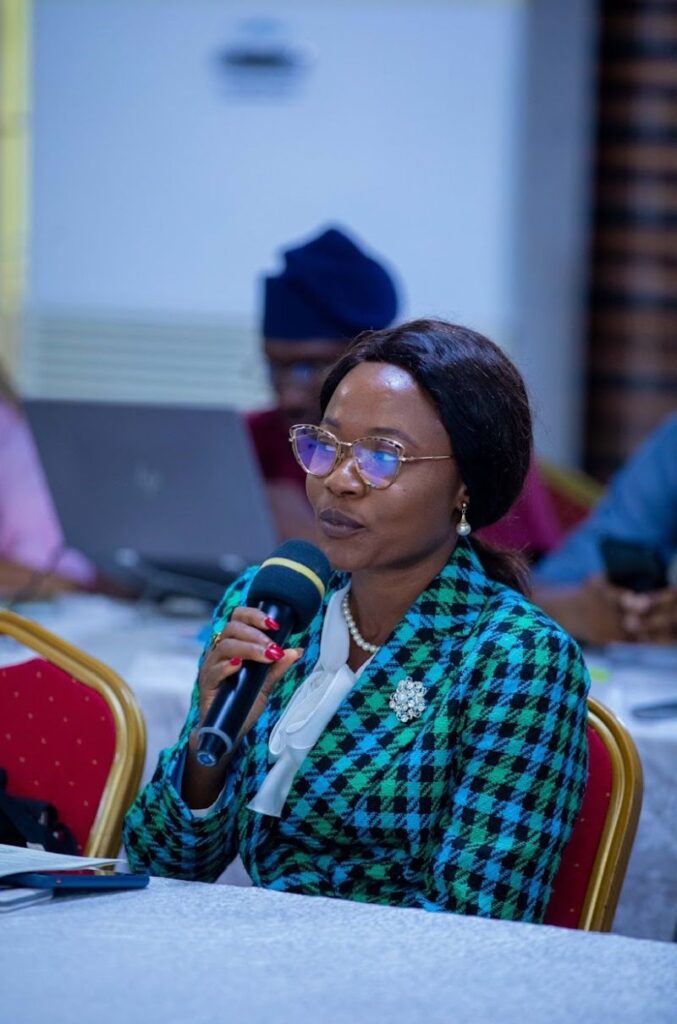
Goodness Chibunna is the News Editor at TheCable, where she oversees news reporting and ensures accurate and objective coverage. She is known for clear and insightful reporting on politics and governance. Beyond her work, she mentors young journalists, helping them develop strong skills and a commitment to ethical, high-quality journalism.