Long ago, it used to be that many journalists barely managed to have a diploma qualification, but that has since changed, with many being graduates from various disciplines. Beyond the first degree, many present-day journalists now have post-graduate degrees, and there is even a growing number of those who have doctoral degrees.
We once wrote about PhD journalists across in media houses across Nigeria holding various editorial positions.
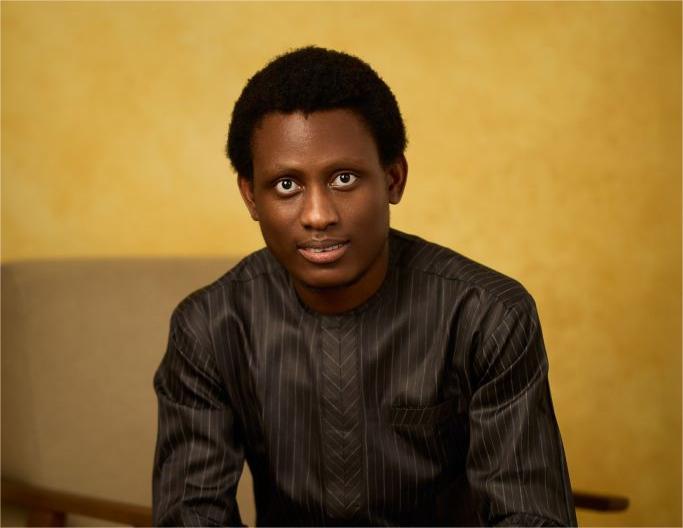
Journalist and Disinformation researcher, Mayowa Tijani, is on his his was to joining the Phd Journalists club. He recently announced in a LinkedIn post that he started his Phd studies in March 2034 having been admitted to Northumbria University, Newcastle, UK, where he is am in the Department of Computer and Information Science.
More importantly, his research seeks to capture changes in journalism workflows as a result of hashtag#AI, the ethical responsibilities of journalists, policymakers, government, and tech companies.
Read his full post about the “heavy lifting, reading, researching, learning new pathways, and stretching my brain,” he says he has been doing.
As many of those who commented on his post noted, having an experienced journalist like Tijani who is Director of Project at The Cable researching AI and hashtag#journalism in hashtag#Africa will shed lots of insights on the impact of AI on journalism practice in Nigeria and the continent.
Read his journey from extensive journalism practice across various platforms to providing an academic perspective on AI and Journalism.
For the better part of the last two years, I have devoted my waking hours and sleepy nights to researching Artificial Intelligence in Journalism. As a journalist who has worked at a national newspaper, TheCable, a global fact-checking agency, AFP Fact Check, and a leading social media company, X (formerly Twitter), I have taken a front-row seat on how synthetic and manipulated media affect journalism, democracy, and the future of our world.
At the end of the 2023 general election in Nigeria, I reflected on my experience. I found I had reported on four presidential elections in my country & dozens of sub-national elections. I had also reported the US elections of 2016 and 2020, the 2017 Brexit vote, the Kenyan Presidential election of 2022, and the (s)elections of the presidents of key multilateral institutions globally. As varied as these elections were, they all had one thing in common — manipulated media.
So, for the longest time, I had always thought my return to school would be to study disinformation in elections, and I wrote a couple of personal statements to that effect. However, our world changed in November 2022 with the launch of OpenAI’s ChatGPT and the rise of DALL·E, Midjourney, and many other large language models and media generators that have followed. It became crystal clear to me that my future was to be in the mix of that technology, its ability to power disinformation, and change the way journalism keeps the truth alive.
In the last quarter of 2023, I was admitted to Northumbria University, Newcastle, UK, where I am studying in the Department of Computer and Information Science.
The last two years have been a period of heavy lifting, reading, researching, learning new pathways, and stretching my brain in ways I did not think possible. I have focused on AI and hashtag#journalism in hashtag#Africa, starting in Nigeria. With Nigeria at the heart of my research, I have had the great delight of working with TheCable and Cable Newspaper Journalism Foundation to action some of the outcomes of the research. I remain open to opportunities to continue to disseminate these outcomes across the country and the continent.
My research seeks to capture changes in journalism workflows as a result of the hashtag#AI, the ethical responsibilities of journalists, policymakers, government, and tech companies. Over the next few months, I will be attending conferences and summer schools to share the results of the initial studies I have conducted since this journey began. Watch out for those.
I am grateful to STEMRES Learning Initiative, my supervisors, particularly Dr James Nicholson, and my family in Nigeria and Newcastle for rooting for me through these intense yet exciting times. To my wife and best friend, who has supported me every step of the journey, I promise to do my best to see this through.
I’m grateful to God for the direction and insights that have continued to light my path in this rapidly changing world.