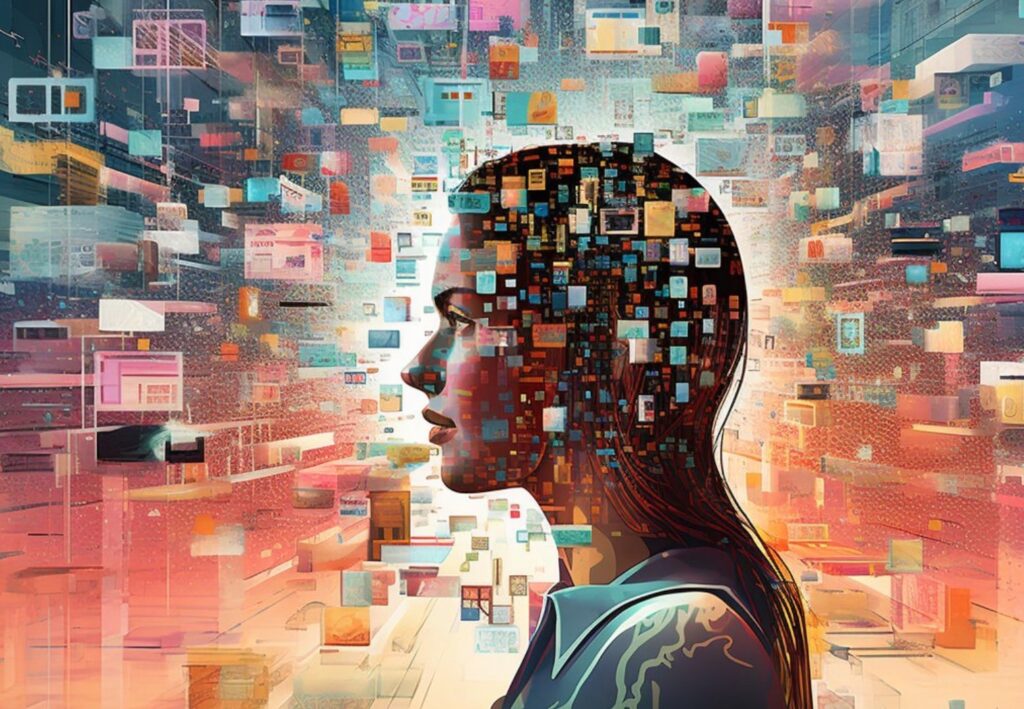
Part of the impact of Artificial Intelligence on media practice is the creation of new or enhanced roles, demanding a different set of skills focused on leveraging AI, critical thinking and human-centric capabilities.
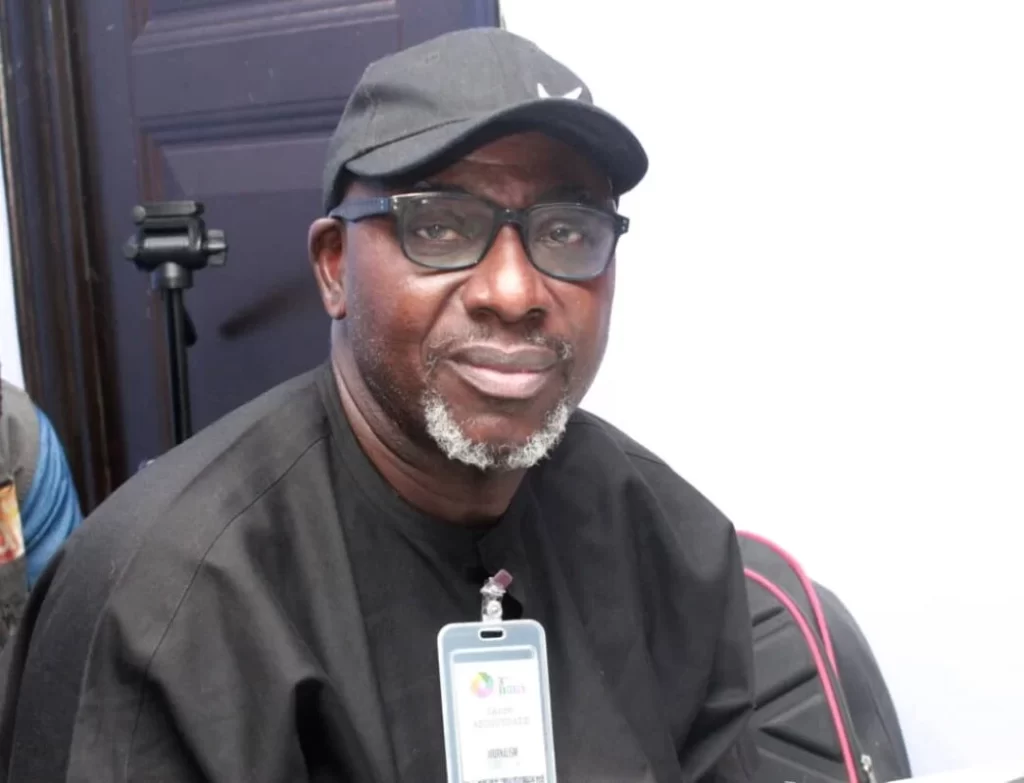
IT specialist and experienced journalist based in the United States, Chris Tunde Odediran, listed the emerging new roles in a masterclass paper presented to the University of Lagos Mass Communication Alumni Association (UMCAA) on Saturday, July 13, 2025, titled How Generative AI Will Shape Mass Media Work and Workforce.
They include the following:
AI Ethicists and Auditors: Professionals dedicated to ensuring that AI systems used in media are fair, unbiased, transparent and adhere to ethical journalistic and communication standards. These professionals ensure AI hallucination is reduced or removed. Top social media companies already have these roles to audit AI outputs for accuracy, bias and potential misuse.
Prompt Engineers/AI Storytellers: Individuals skilled in crafting precise and effective prompts to guide AI models to produce desired content. These professionals will combine creative writing skills with a deep understanding of AI capabilities to generate compelling narratives, visuals and campaigns.
AI-Powered Content Strategists: Professionals who understand how to integrate AI into content workflows, from ideation and creation to distribution and performance analysis. They will design strategies that maximise AI’s efficiency while maintaining human oversight and creative direction.
Data Journalists/Analysts: Top journalism schools, such as Columbia University in New York, now offer courses in data analysis, enabling data journalists to use science to uncover deeper insights from complex datasets, identify hidden trends and tell data-driven stories that AI alone cannot formulate.
AI-Assisted Investigative Journalists: Journalists who leverage AI for rapid data sifting, pattern recognition and anomaly detection in large datasets to uncover leads for investigative stories, freeing them to focus on human sources and verification. This is popular with financial and environmental reporting.
Personalised Content Curators/Editors: Professionals who use AI to understand individual audience preferences and curate or adapt content for highly personalised delivery, ensuring relevance and engagement.
AI-Driven Audience Engagement Specialists: Specialists who utilise AI to analyse audience behaviour in real-time, optimise engagement strategies and manage AI-powered chatbots or interactive content.
Media AI Trainers/Educators: Experts responsible for training media professionals and students on how to effectively use AI technology, understand AI concepts and adapt to the evolving media landscape.
“These are just some of the emerging and anticipated roles, which all emphasize that human skills will complement AI capabilities using critical thinking, creativity, ethical reasoning, strategic planning and interpersonal communication. Future media functions will be characterized by a symbiotic relationship between humans and AI, where AI handles the computational work while humans provide judgment, creativity and ethical direction,” Odediran explained.