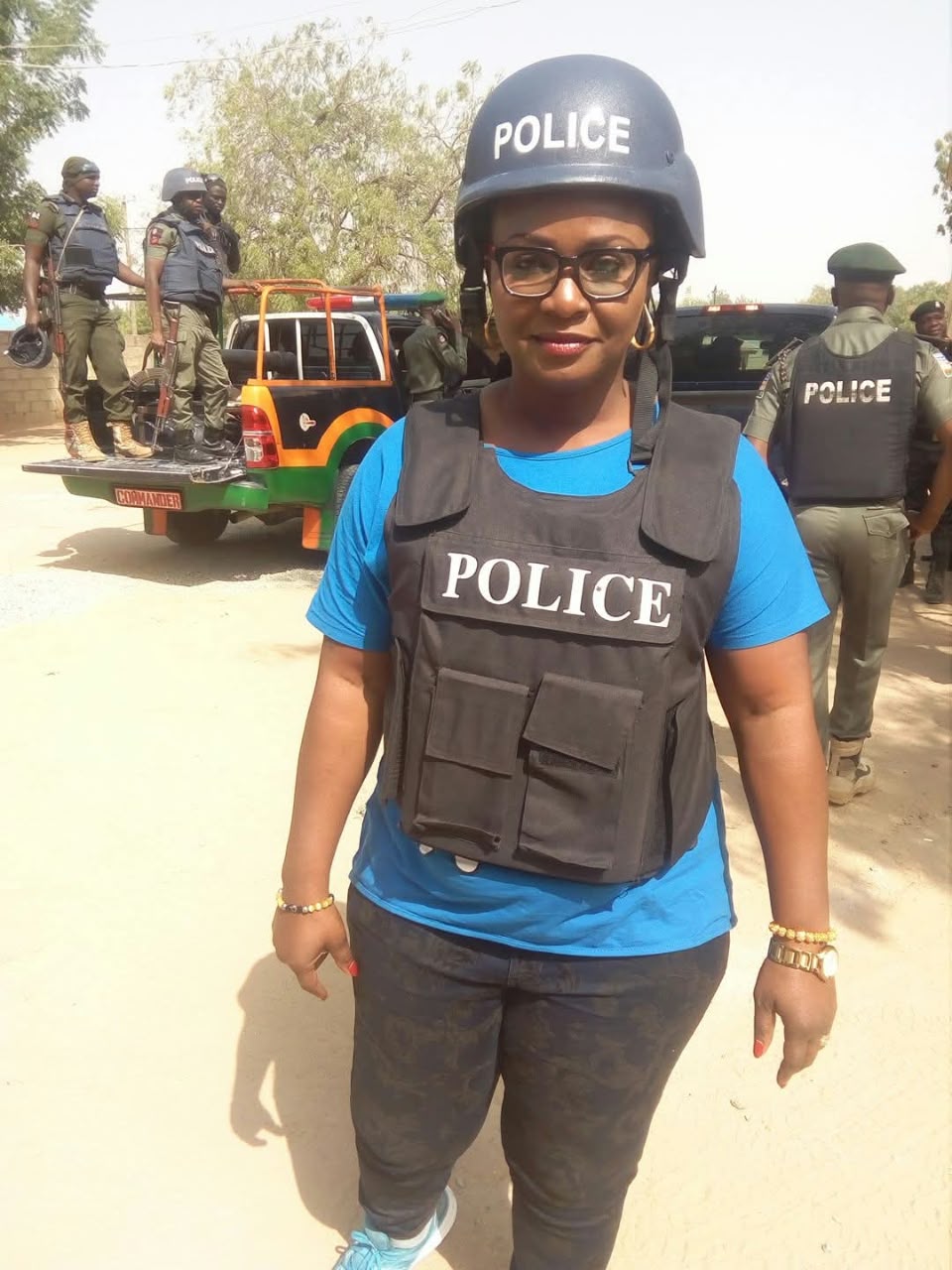
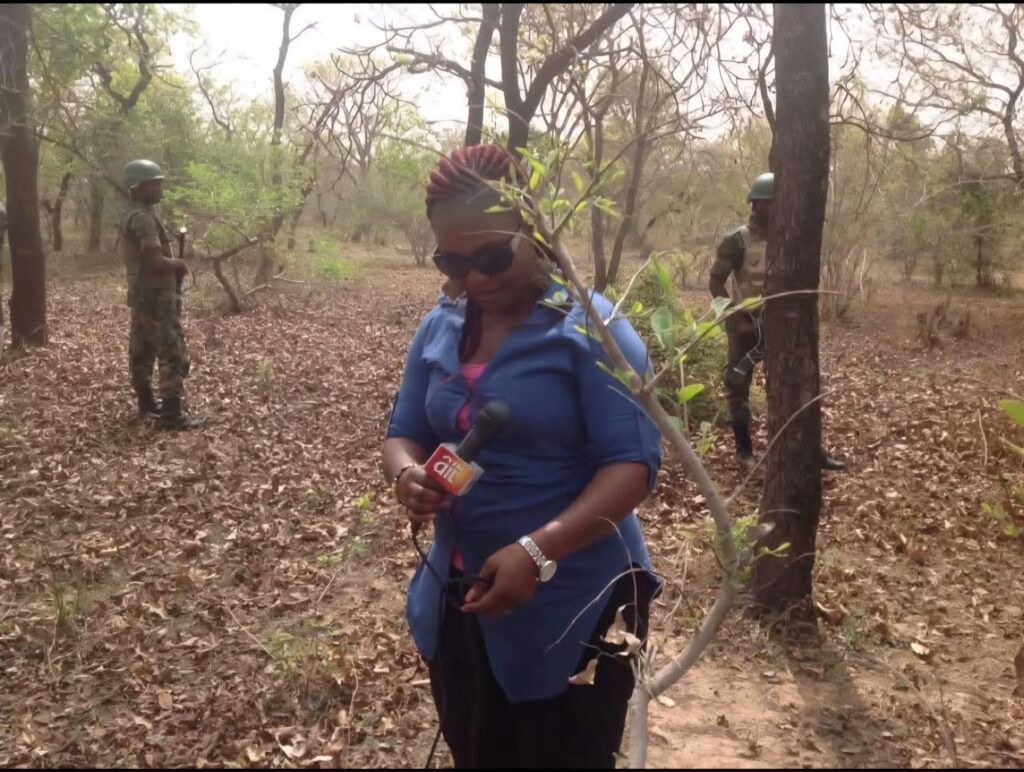
Her vast experience over the years stands her out as one of the foremost Crime and Security journalist in Nigeria. In this interview with Media Career Development Network, Crime and Security Correspondent and Presenter with Africa Independent Television, Patricia Ada Bisong Ononye, recalls her journey to covering security, the high and low points of her career, views on security matters and other issues.
NEWSROOM MANAGERS ARE USUALLY NOT KEEN ON ASSIGNING WOMEN TO COVER SECURITY. HOW DID YOU GET ASSIGNED TO THE BEAT?
My interest in security predates journalism. After secondary school, I wanted to join the Nigerian Navy, but my mother opposed it for family reasons. I enjoyed crime and war novels, action films and television crime programmes.
I began covering security regularly in Kano around 2012. The colleague on the beat went on maternity leave and subsequently transferred to Warri. My manager, Zahra Ozobia, then assigned me more frequently. Our reporters in Kano were all women, so somebody had to do the work.
One early assignment was a police briefing where the number of reported rape cases caught my attention. Rather than reproduce the police achievements, I pursued that issue and sought public perspectives on prevention.
I continued covering the police, military, NDLEA and Boko Haram violence. When I returned to Abuja, I was again assigned security agencies. An opportunity opened, I took responsibility and developed my expertise.
WHAT HAS BEEN YOUR EXPERIENCE GENERALLY AS A SECURITY CORRESPONDENT?
It has been demanding, sometimes dangerous and deeply revealing about what people endure.
Behind every attack or arrest are people whose lives have changed. I speak with survivors, bereaved families, communities and suspects. When interviewing suspects, I explain that I am a journalist, not a security operative. I listen, but I verify their accounts.
The beat has taught me to question official narratives. When police present a suspect, I ask to meet the person allegedly harmed. If that person has died, I seek out the family. How did the complaint begin? What independent evidence supports the account?
Those questions take you beyond a briefing and help you understand the story more fully.
WHAT ARE THE HIGH POINTS AND LOW POINTS OF YOUR CAREER?
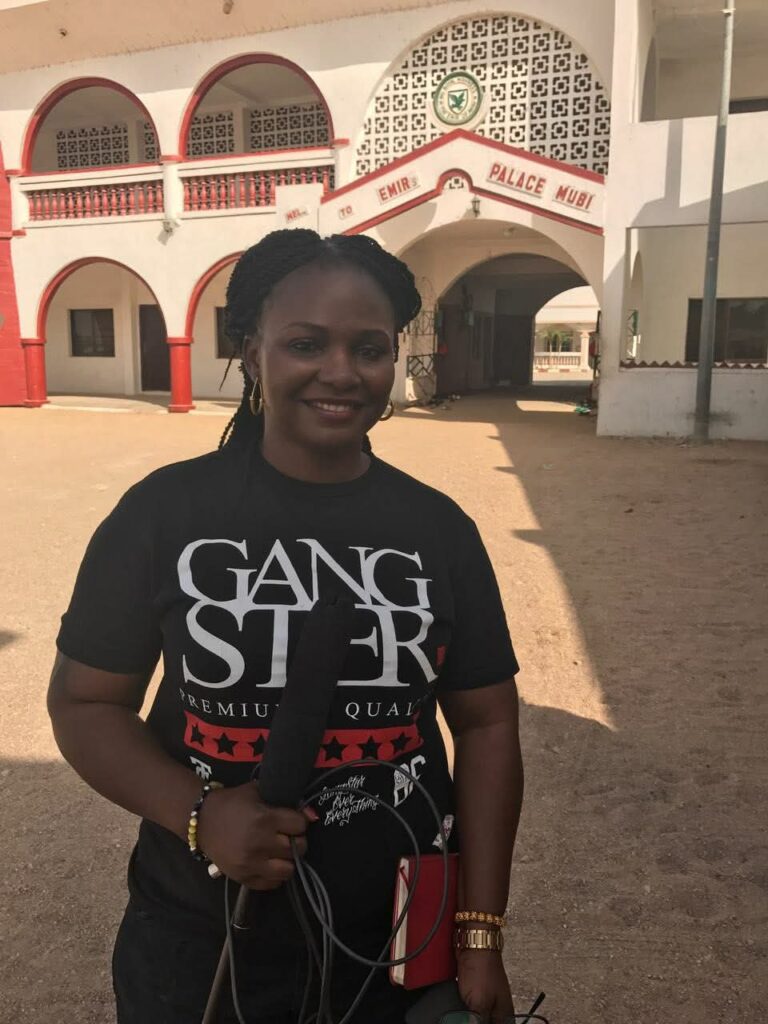
The high points are seeing people heard and authorities respond. My investigations informed three separate DAAR Communications town hall meetings on kidnapping, ritual killings for money and femicide.
After the femicide town hall, Salome Adaidu’s father told us on Security Scope that Governor Abdullahi Sule had called him and promised the state would take over the case. The government subsequently took over the prosecution.
My drug-abuse reporting helped prompt a response in Kano. The NDLEA recognised my contribution in 2026. My multipart Zaria kidnapping investigation also earned me a nomination for Reporter of the Year—Television at The Nigeria Broadcasting Awards in 2023.
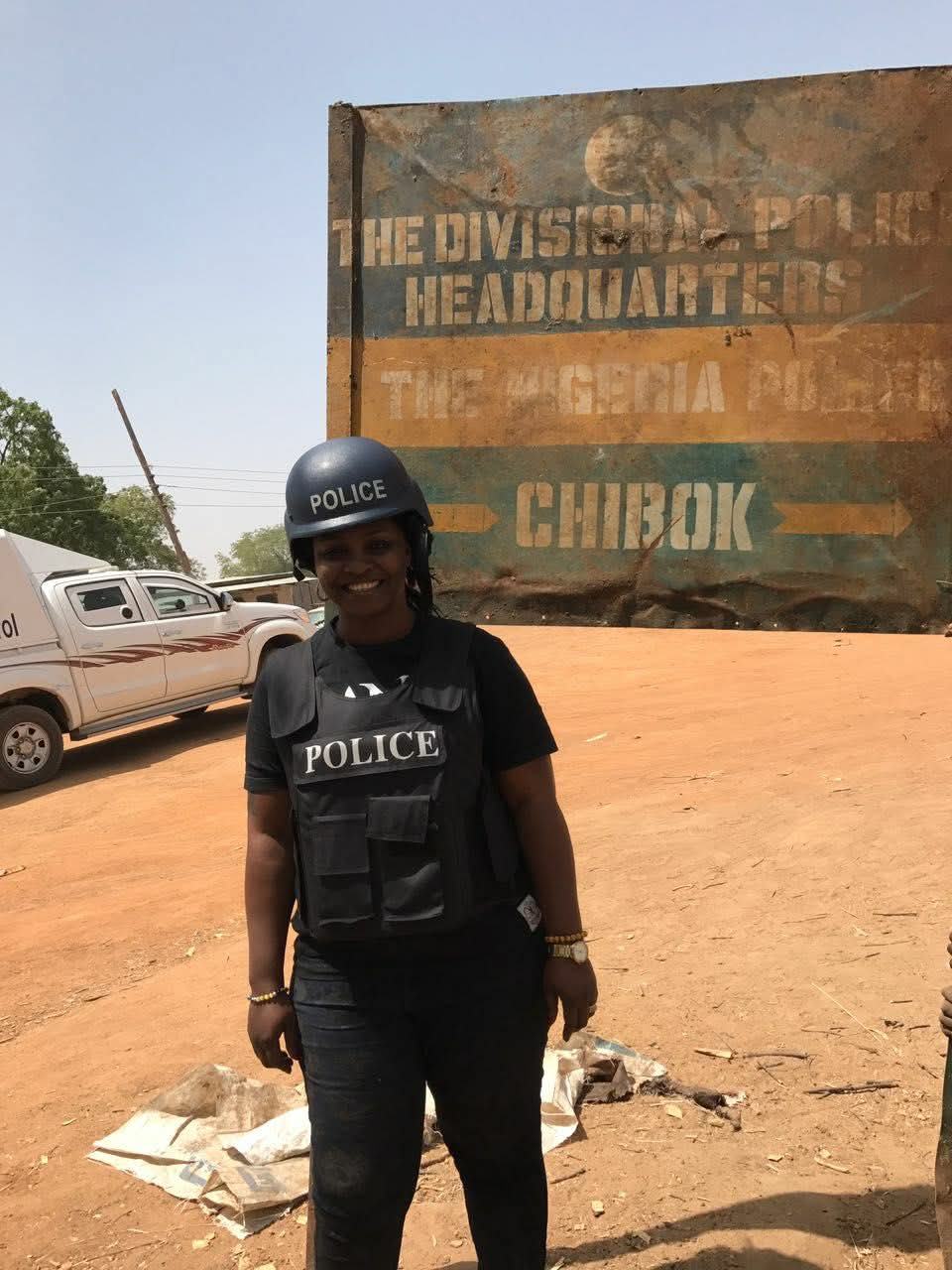
The low points include danger, emotional strain and the personal cost of reporting. During the Kano mosque bombing, a Civil Defence officer helped my cameraman and me escape a hostile crowd. I was three months pregnant. On a northeast assignment, we encountered an ambush on the route from Baga and spent about twelve hours at the location. Recalling it still gives me shivers.
I had covered bombings and seen human remains recovered without crying on camera. But I broke down during a stand-up at the scene of Ibrahim Mbaya’s killing. Interviewing Ummulkhairi Usman Aliyu’s children also affected me deeply.
I have frequently spent my own money pursuing stories. Returning from a difficult assignment and then struggling for airtime can be discouraging.
WHAT SECURITY REPORTS DISTINGUISH YOUR WORK?
I look for what is missing, even when several reporters cover the same assignment.
At the Emir of Kano’s Palace Mosque bombing in 2014, youths recognised me and allowed my cameraman and me into the scene. Al Jazeera, the BBC and CNN subsequently obtained our footage from DAAR Communications.
My Kano drug-abuse investigation began in 2013, with a follow-up in 2014. I examined substances young people were using, including bicycle adhesive and fermented gutter water. The reporting helped prompt a drug-abuse committee under Governor Rabiu Musa Kwankwaso, led by the Kano NDLEA commander.
For my 2021 Zaria investigation, I independently examined police claims by meeting kidnapping survivors. They included a man held for six months, another injured by four months in chains, and a retired Customs officer who sold his houses to pay ransom. I also visited the tuberculosis training institution and interviewed affected families, community leaders, suspects and alleged informants.
My ritual-killing investigations took me to three crime scenes in Ogun State in 2022. In 2025, I investigated Salome Adaidu’s killing, interviewed Timileyin Ajayi in custody and spoke with both families.
In 2026, I reconstructed Ibrahim Mbaya’s final hours and investigated Ummulkhairi Usman Aliyu’s mob killing. Both required extensive interviews and attention to the families left behind.
The common thread is independent fieldwork: finding people, testing accounts and establishing the human consequences.
WHAT MAKES A GOOD SECURITY CORRESPONDENT, AND WHAT ARE THE RISKS?
Passion, patience, courage, curiosity and discretion. You must want to understand the beat enough to keep asking questions when the work becomes difficult.
Be sceptical, including with familiar sources. Verify names, documents, figures and allegations. A careless report can endanger lives, inflame tensions and damage your organisation.
Exercise judgment about publication. Some information can expose sources or compromise operations. Discuss those risks with editors while continuing to scrutinise claims made in the name of national security.
Senior colleagues have sought my perspective before programmes and editorial decisions because they know how carefully I handle information. That trust must be earned.
The risks include physical attack, intimidation, retaliation, trauma, financial strain and attempts to compromise you. Prepare properly, protect sensitive material, maintain contact with your newsroom and know when to withdraw.
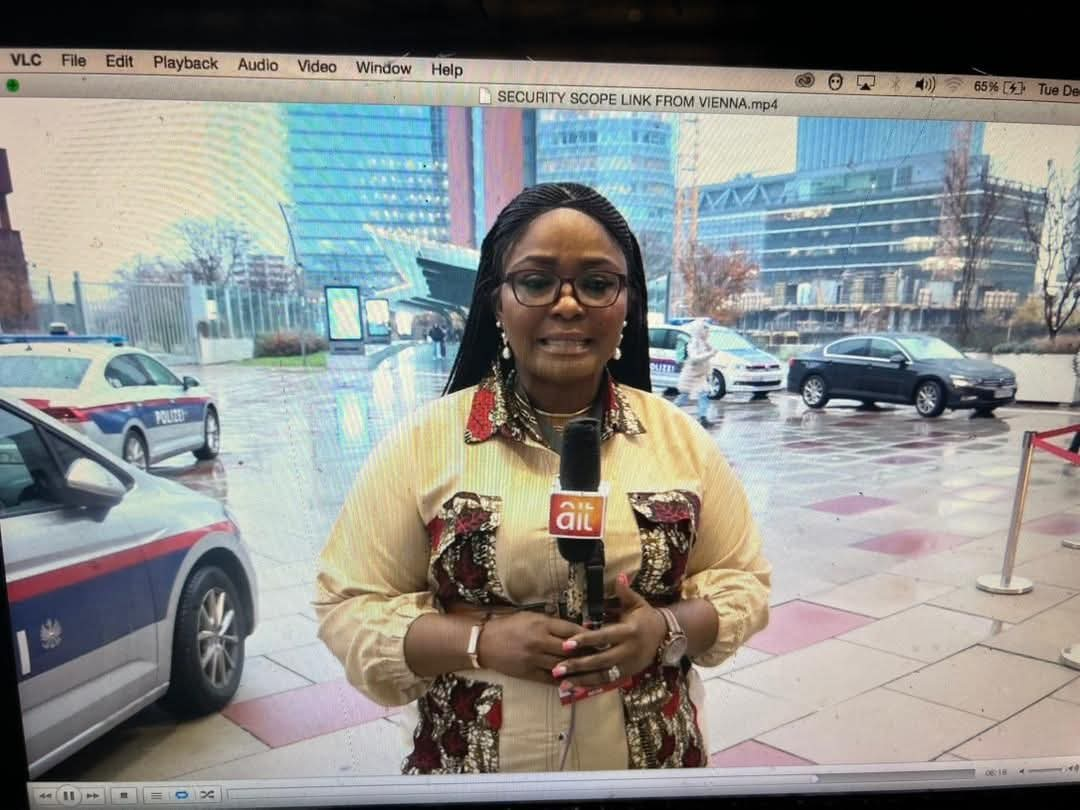
WHAT IS YOUR ASSESSMENT OF SECURITY COVERAGE BY NIGERIAN MEDIA ORGANISATIONS?
There is committed reporting, but editorial pressure and insufficient newsroom priority limit its depth.
In my experience, direct and indirect restrictions on what television can show sometimes leave us using general city footage to illustrate a specific attack. That weakens the audience’s understanding.
We must protect victims’ dignity, avoid exposing operations and guard against spreading terrorist propaganda. But restrictions should be clear and open to scrutiny. Nigerians need an accurate picture of what communities face.
Newsrooms also too often favour politics until a major security tragedy occurs. We cannot complain about insecurity while sidelining reporting on its causes, prevention and consequences.
Security deserves sustained attention, funding and follow-up beyond official statements.
WHY DO YOU THINK THE COUNTRY’S SECURITY CHALLENGES REMAIN UNRESOLVED?
The problems are connected: underdevelopment, weak governance, inadequate policing resources, arms proliferation and failures in the justice process.
I have encountered communities where security demands far exceed available personnel and equipment. Officers without transport, communication tools or operational funding cannot respond effectively. Citizens should not have to finance basic police operations to obtain help.
Funding also requires scrutiny. What was approved? Was it released? What reached the personnel and communities concerned? What results followed?
Education, child protection and security awareness need sustained investment. Arms seizures should lead to investigations into suppliers, recipients and financing networks, including anyone supplying weapons for political violence.
Weak investigations, delays and unexplained court outcomes undermine confidence in justice. That frustration can contribute to mob violence, but it never justifies killing someone over an accusation.
Until these failures are addressed together, we will keep responding to incidents while the conditions sustaining insecurity remain.
WHAT IS YOUR ADVICE TO THE GOVERNMENT?
Summon the courage to act.
Insecurity is not peculiar to Nigeria, but that cannot excuse failure to protect people. Government has intelligence, expertise and resources beyond what I know as a journalist. What is required is the political will to use them effectively and lawfully.
Credible allegations of financing or supporting violence must be investigated, whoever is named. An allegation is not proof, but influence must not shield anyone from investigation.
Account for expenditure, address operational gaps and demonstrate results in communities. Nigerians have heard enough policy statements. They need consistent action.
If terrorists continue killing our people, who will be left to govern?
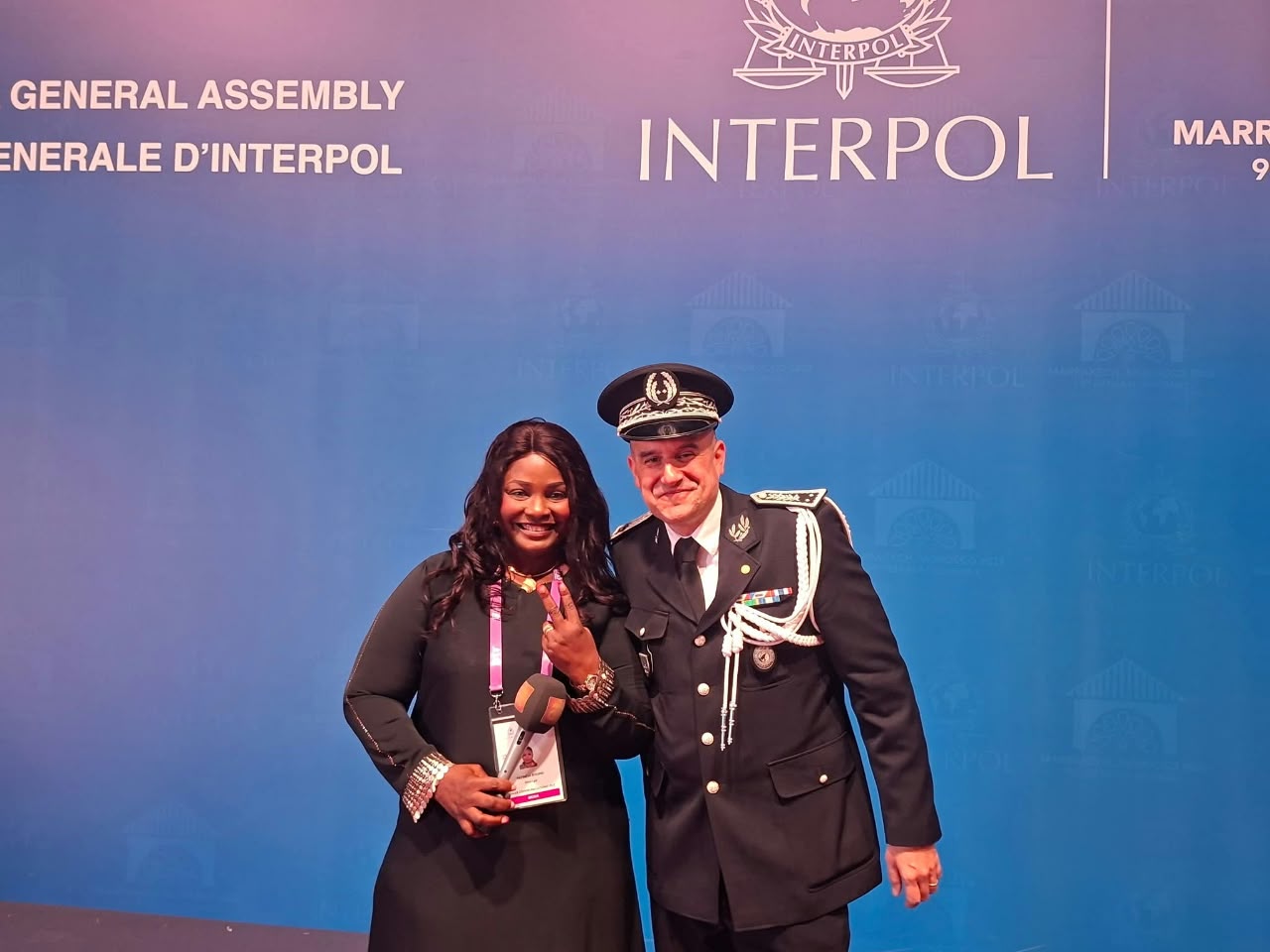
WHAT WOULD YOU TELL YOUNG JOURNALISTS ASPIRING TO COVER SECURITY?
Be patient. The work can demand much while offering limited money or recognition. Give stories the time they require.
Care about those affected. I sometimes ask myself: if this were my brother, how thoroughly would I want the case investigated? That strengthens my commitment without replacing fairness or evidence.
Protect your integrity. During an investigation into alleged killings and the removal of human body parts, I was offered ₦25 million to suppress the story. I had interviewed suspects and sought responses from those they accused, who denied the allegations.
I needed money, but I thought about the victims and anyone who might be harmed next. I refused. On another assignment involving alleged internet fraud, I declined an offer of a Mercedes-Benz and filed my report.
Decide your boundaries before temptation comes.
Be discreet. Casual conversation can expose you, your sources and your family. Finally, think independently: what is missing, whose account has not been heard, and what can you establish beyond the briefing?
WHAT AREAS WOULD YOU STILL LIKE TO EXPLORE?
I want to follow more cases beyond arrest.
At AIT, security and judicial reporting are separate beats. In my experience, political cases receive more court coverage, while many criminal cases disappear from the news.
I want to track prosecutions, judgments and sentencing. Why did a case stall? What happened to the evidence? Did the family obtain justice?
I also want to examine whether cases lead to practical reforms and whether those reforms prevent further harm. My jungle justice investigations provide a foundation for that work. Documentaries and my planned video podcast will give me room to return to unanswered questions.
ANY FINAL ADVICE FOR JOURNALISTS AND MEDIA ORGANISATIONS?
Prioritise security consistently, rather than waiting for disaster.
Do not dismiss an arrest because it involves only one or two suspects. Establish the alleged harm and its significance. Recognise the risks security personnel face while holding them accountable for their conduct.
Hold government accountable too. Follow funding from approval to release, delivery and deployment. Find out what reached the people expected to protect us.
Support reporters with money, equipment, safety arrangements, time and recognition. Personal commitment should not mean routinely financing assignments from an inadequate salary. Support after traumatic reporting matters too.
For journalists, think before filing. You do not always have to begin with the senior officer’s speech. Find the human significance, explain figures meaningfully and write clearly.
Make people want to understand the story without sensationalising their suffering. Then stay with it after the headlines have passed.