Many media professionals are not invisible because they lack talent, but rather because their work, skills, voice, and proof are scattered where the right people cannot easily find them.
I learnt this the hard way.
I started writing long before I understood the word “portfolio”. Over the years, I moved from creative writing into content strategy, SEO, football media, digital publishing, and remote work across different industries. Because many of my best professional projects sit behind NDAs, I also learnt something important: if your paid work cannot always carry your name, your personal body of work must.
That is where digital credibility comes in.
Digital credibility is not just about having followers. It is the online evidence that shows what you know, what you have done, how you think, and why someone should trust you with an opportunity.
Why visibility now matters in modern media careers
The media industry has changed. A journalist, writer, producer, presenter, editor, content creator, or communications professional is no longer judged only by a CV.
People now check your LinkedIn. They search your name, read your articles, look at how you explain issues online, and check if your work is easy to find.
This does not mean every media professional must become an influencer. In fact, that is where many people get it wrong. Visibility is access.
If your work is not visible, opportunities may pass you by simply because nobody can verify your value quickly.
What proof of work really looks like
Proof of work is any public evidence that shows your ability. It answers the question: “Can this person actually do what they say they can do?”
For media professionals, proof of work can include:
- Published articles or reports
- Interview clips or podcast appearances
- A LinkedIn post analysing a media trend
- A newsletter explaining your beat
- A Medium essay on an issue you understand deeply
- A Substack, blog, or personal website
- A simple portfolio with your best work
- Screenshots of campaigns, where allowed
- Testimonials from editors, clients, mentors, or collaborators
The mistake many people make is waiting until they are “big enough” before documenting their work. But documentation is what helps people see your growth.
Do not wait until CNN, BBC, Channels, Arise, or a major publication validates you before you start building a record. Start with what you already know, what you are learning, and what you can explain well.
Use your platforms as a living portfolio
A living portfolio is not a dusty Google Drive folder you only open when applying for jobs. It is a visible system that grows with you.
LinkedIn can show your professional thinking. Medium can hold essays and opinion pieces. Substack can help you build a niche audience. A personal website can organise your work. Instagram, TikTok, or YouTube can show your voice, presence, and storytelling ability.
The key is not to post everywhere randomly, but give each platform a job.
For example:
- LinkedIn: career updates, analysis, media lessons, professional proof
- Medium or blog: essays, opinions, thought leadership
- Substack or newsletter: niche expertise and audience building
- Personal website: selected work, bio, contact details
- YouTube/TikTok: video storytelling, explainers, commentary
As someone who has worked across several industries, I have found that range can look confusing unless you organise it. Your online presence should help people understand the connection between your skills, not make them work too hard to figure you out.
READ ALSO: Platforms, creators and AI are changing how Africa gets its news
How African women in media can pitch themselves without feeling performative
Many African women are uncomfortable with visibility because we do not want to look proud, desperate, or attention-seeking. I understand that feeling.
But pitching yourself is not begging. It is helping the right people understand where you can add value.
A good pitch should not start with “please feature me”. It should start with value.
Try this structure:
- Who you are
- What you understand deeply
- Why the topic matters now
- What the audience will gain
- Proof that you can deliver it
For example, instead of saying, “I would love to be featured on your platform,” say:
“I would love to contribute a practical piece on how young African media professionals can build visible proof of their skills using LinkedIn, newsletters, guest features, and portfolios. I believe this would help your audience move from simply applying for opportunities to becoming easier to discover and trust.”
That is positioning done right.
Practical 30-day visibility plan
If you are a media professional who wants to become more credible online, do not start with a full rebrand. Start with 30 days of clear action.
In the next 30 days:
- Search your name online and see what comes up.
- Update your LinkedIn headline so it clearly states what you do.
- Create a folder or page with your best work.
- Publish one article, commentary, or analysis in your niche.
- Share one lesson from your media experience every week.
- Ask for one testimonial from someone who has worked with you.
- Pitch one guest article, podcast, or interview opportunity.
- Follow and engage with media platforms, editors, and organisations in your field.
- Document training, awards, fellowships, and projects you have completed.
- Repeat what works.
The goal is not to become popular in 30 days; just clearer, more searchable, and easier to trust.
Final thoughts
Talent is important, but talent that cannot be found is limited.
African media professionals, especially women, need to stop treating visibility as vanity. Done well, visibility is career infrastructure. It helps people find your work, understand your expertise, and remember your name when opportunities appear.
You do not need to share everything, chase every trend, or become loud.
But you do need proof.
Build the article. Share the report. Publish the essay. Upload the clip. Create the portfolio. Pitch the platform. Explain what you know.
That is how you move from invisible to in-demand.
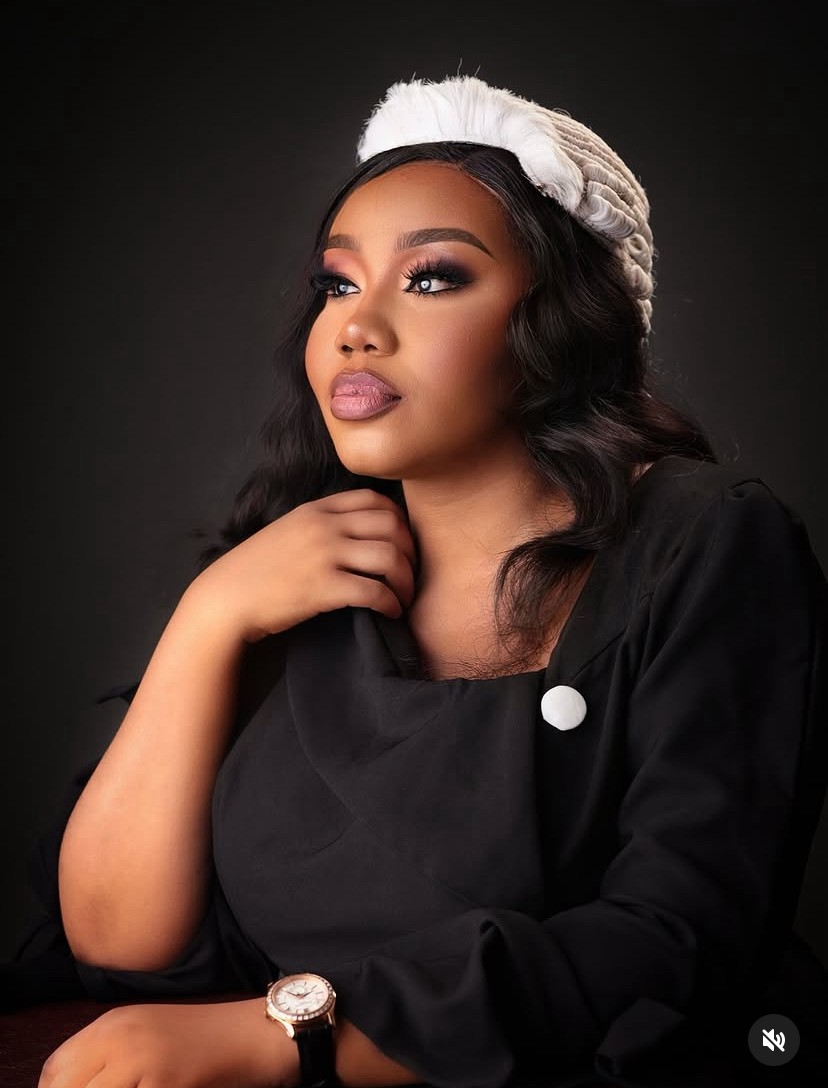
Author bio
Adanna Adindu Isabella Victor is a Nigerian writer, content strategist, and media professional whose work sits across SEO, AEO, content systems, creative strategy, and digital visibility. Trained in law and built through media, she has worked across taxation, healthcare, iGaming, education, football media, and remote content projects for international audiences.
She is the founder of Bella’s Football Edge, an Arsenal-focused football platform, and the editor of Insights from an Abnormal Gen Z, where she writes on identity, modern work, relationships, and digital growth. She is also the co-founder of Gain Mastery, an education initiative helping Nigerians understand remote work, digital skills, and online visibility.