
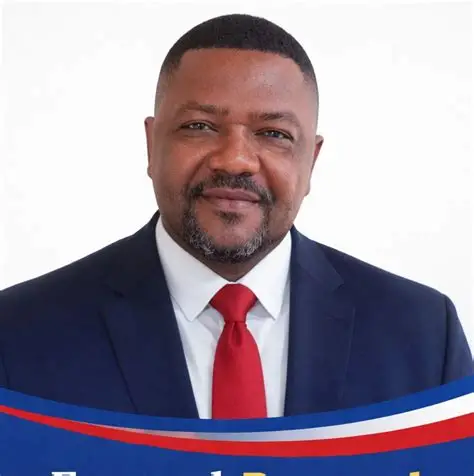
Against the backdrop of patronage journalism and censorship in the media profession, Liberian journalist and media development specialist, Mr. George Sarwah Stewart has charged media professionals to embrace ethical principles, warning that ethical journalism in Africa will not be saved by codes of conduct but by men and women of conscience.
Mr. Stewart gave the charge while speaking on the topic, “Ethical Journalism in a Time of Pressure: A Charge to Journalists of Faith” during the recent Journalists for Christ (JFC) monthly fellowship.
He lamented that ethical journalism is heavily challenged because “the pressure is intense, survival is uncertain, and support systems are weak,” noting that despite these pressures, journalists of faith carry a double responsibility.
“As journalists of faith, the pressure is doubled because we have two guiding principles— professional responsibility and spiritual accountability,” he stated.
ETHICAL JOURNALISM UNDER PRESSURE
According to him, ethical journalism is beneficial not only to journalists in Liberia but to practitioners everywhere. He stressed that journalists must rely on solid facts, fact-checked documents, and credible sources— not propaganda.
He explained that when a story touches on political, economic, or religious power, subtle negotiations and pressures from “the powers that be” often arise before publication. In such moments, a faithful journalist may wrestle with conscience— but not with facts.
“These interruptions play on the conscience before publication and may betray one’s calling and public trust,” he said, noting that investigative journalists frequently face such dilemmas.
He described the decisive moment as one where a journalist might think, “If I don’t publish, I might lose my job.” However, he advised those struggling with conscience— not facts, to choose publication.
“If you take the money, you may survive— but at what cost?” he queried.
Mr. Stewart emphasized that ethical journalism is not collapsing because journalists lack knowledge or training. Rather: “Ethical journalism is heavily challenged because the pressure is intense, survival is uncertain, and support systems are weak— not because journalists do not know the rules.”
PRINCIPLES FOR JOURNALISTS OF FAITH
He reiterated that journalists of faith operate under two pillars: professional responsibility and spiritual accountability, quoting Proverbs 4:23 and urging practitioners to guard their hearts.
“Courage comes from conviction, not just training,” he said.
He reminded journalists that truth remains the first obligation of the profession.
“Journalism is a truth-telling discipline. It exists because truth matters. Without truth, there is no journalism. The first obligation of journalism is to the truth. Truth is indispensable.”
Referencing Exodus 20:16 and Proverbs 12:23, he emphasized that truth is not optional for journalists.
“You cannot serve two masters. You cannot serve public interest and political interest at the same time,” he cautioned.
According to the Secretary of the African Christian Journalists Network, the moment journalism becomes a tool for power, tribe, religion, or personal gain, it loses its soul.
ACCOUNTABILITY AND JUSTICE
He stressed that faith-based professionals must not compromise truth, adding that accountability— including correcting errors and owning mistakes— is indispensable to good journalism.
“When journalists suppress truth for money, fear, or favor, the damage is communal, not just personal,” he warned.
He urged practitioners to defend the rights of the poor and speak for those who cannot speak for themselves, rather than amplify only politicians or elites.
“Journalism that emphasizes politicians but ignores market women, rural communities, and victims of abuse may appear professional, but it is not just,” he said.
CHALLENGES IN THE AFRICAN MEDIA SPACE
Mr. Stewart acknowledged the struggles journalists face in Africa, including poor pay, political ownership of media institutions, patronage journalism, censorship, and safety risks.
He noted that social media rewards speed over truth, increasing misinformation and pressure on journalists.
However, he maintained that ethical journalism cannot rest on individual effort alone, calling on institutions to rise to the challenge.
Highlighting answers to key questions during the fellowship, he addressed how journalism can honor Christ.
He explained that honoring Christ does not mean inserting Bible verses into stories or protecting religious institutions,but reflecting Christlike character through journalistic conduct— loving truth, respecting human dignity, checking facts, and refusing lies.
On maintaining ethical standards under pressure, he advised: “Pressure is your real test. Decide your boundaries before the pressure comes.”
He encouraged journalists to determine in advance which stories they would never suppress, regardless of cost.
“Pressure does not mean you are failing; often it means you are doing something right,” he stated.
On being light in the newsroom, he said light does not announce itself but shows direction. Journalists can be light through honesty, compassion, respect for colleagues, and refusal to gossip or manipulate.
“Journalism does not require perfection, but direction,” he stated.
A CALL TO CONSISTENCY
He challenged participants to remain consistent in choosing truth.
“Choosing truth is consistency. Ethical journalism refuses to normalize corruption. It is not dramatic or loud, but faithful and steady— that is how light survives in dark places.”
Reiterating his central message, Mr. Stewart said: “Ethical journalism in Africa will not be saved by codes of conduct but by men and women of conscience.”
He concluded by emphasizing on the need and nature of truth, quoting John 8:32: “You shall know the truth, and the truth shall set you free, while emphasizing how “this fellowship is not just to inspire, but to resolve— to tell the truth, stand firm, and practice ethical journalism that honors both the profession, and faith in Jesus Christ.