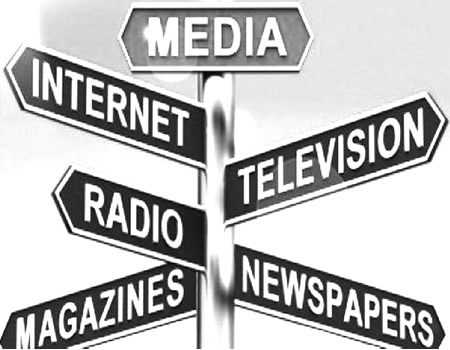

Nigerian journalists, especially those working for so-called traditional media have to change the way they tell stories. Those interested in getting employed in international media should think global and act local in their current role.
When I hear someone introduce themselves as a “broadcast journalist” or a “print journalist”, I cringe and grind my teeth in frustration because this is 2026, and storytelling lines are blurring more than ever before. It’s become absolutely essential for the Nigerian journalist, especially those working for so-called traditional media, to catch up – really fast!
Am I advocating that you quit your TV, radio, or print media job? Absolutely not – only that you need to change the way you tell stories. Studies and media followership numbers across the globe have shown us that journalism has evolved from just informing, educating, and entertaining the audience to really listening to what they need and providing it – the audience is king and if you’re not providing the kind of stories they need, in the way they want it, you’re playing a loser’s game.
Should we sacrifice journalism ethics for audience preferences, absolutely not. However, we need to move from “traditional” storytelling techniques that tend to glorify the reporter, to digitally savvy storytelling techniques that put the spotlight on the subjects of our storytelling and allows the audience to walk in their shoes and see themselves in our stories. That way, the stories resonate more with the audience and they’re happy to share and engage more with the journalist and media.
What to do for radio, television, newspapers
What does this mean for you if you work for a radio or TV station as a news reporter? Resist the urge to always do traditional voiced news reports where you always sign off at the end. Experiment with self-authored pieces, video, audio, or picture montages, telling a story in person rather than using a voiceover – piece to camera or PTC, learning to write incredibly short but informative news bars or captions, creative graphics, explanatory texts to match your storytelling. The list is endless.
For print journalists, please understand that writing texts for a physical newspaper is different from writing for online – which is more conversational, with shorter paragraphs, more illustrations and the use of audio or video to embellish your storytelling.
However, if your organisation insists on doing things the “traditional” way, consider this your opportunity to build a digital journalism profile for yourself through the backdoor. Set up a YouTube channel, SoundCloud or any blog channels for your personal expression and growth.
You can produce a particular story in multiple formats. This requires a lot of hard work – so roll up your sleeves and immerse yourself in the deep waters of creative and analytical thinking for compelling storytelling.
Required training
To achieve your digital storytelling dreams requires skills that you have no choice but to adopt and improve over time. There are so many trainings available to suit your storytelling interests – some free, some paid for. Your organisation may provide some training as well but developing yourself as a twenty first century digital storyteller is your sole responsibility – so get cracking!
READ ALSO: How to get international media employment
Omotola Aderinsola Adebanjo started her career with the Nigeria Television Authority in 1998 and currently works as News Editor/Manager and Career Mentor with the BBC. She’s also worked in public relations and filmmaking with renowned Nigerian filmmaker Tunde Kelani.