
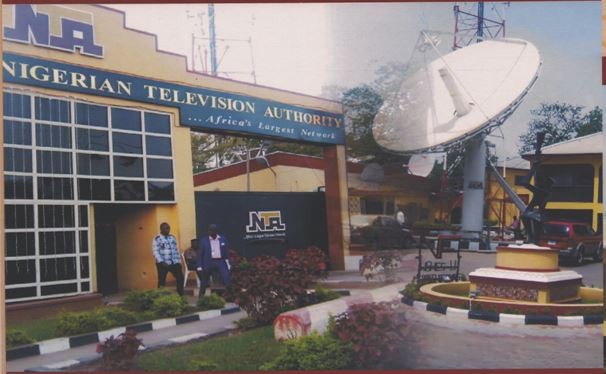
In this EDITORIAL, we noted that the new management must justify the confidence reposed in them by restoring the station’s pride of place through professionalism, creativity, and adherence to modern broadcasting standards.
Undoubtedly, the new Director-General and Executive Directors appointed for the Nigerian Television Authority (NTA) are thoroughbred professionals in every respect.
The Rotimi Pedro-led management team—comprising Executive Director, Marketing, Karimah Bello; Executive Director, News, Stella Din Jacob; and Managing Director, NTA Enterprises Limited, Sophia Essahmed, have between them years of outstanding accomplishments in media, marketing, and management.
Their combined expertise is crucial in meeting the high expectations of both government and the public for the repositioning and revitalisation of NTA.
Despite being one of the largest television networks in Africa, with stations across the country and experienced professionals, NTA has, in recent years, failed to meet the demands of modern broadcasting for various reasons.
The station ranks low among the most-watched by Nigerians and is often regarded as largely pro-government in content. Its production quality has also been widely criticised as poor when compared with top private stations.
As President Bola Tinubu noted in the statement announcing their appointments, the new management must bring fresh energy, innovation, and teamwork into their roles to deliver world-class broadcasting services to Nigerians. They must justify the confidence reposed in them by restoring the station’s pride of place through professionalism, creativity, and adherence to modern broadcasting standards.
Among others, we suggest that the new management should focus on repositioning NTA as a truly public-funded broadcaster. It should prioritise development-driven news and programmes through its satellite stations across the country, especially in areas where visible and sustainable growth is taking place.
To enhance the capacity of its staff, there should be consistent training in modern broadcasting techniques, with special focus on multimedia productions that cater to on-demand news and programming.
The NTA Television College in Jos is a potential hub for media development in Nigeria and Africa, and its vast potential must be maximised. The station should also strengthen collaboration with international broadcast organisations through exchange programmes and partnerships that broaden perspectives and skills.
We are encouraged that the new Director-General has already hit the ground running, making digital transformation his core vision and acknowledging the need to reinvigorate the station’s relevance to Nigerians, many of whom had written it off due to poor performance in past years.
His commitment to upgrading outdated facilities to improve operational efficiency and align with global industry standards is commendable.
To restore public trust, however, NTA must be spared unnecessary interference in its editorial and administrative operations. It must not be seen merely as a government mouthpiece but as a platform that reflects the interests, wishes, and aspirations of Nigerians.
NTA possesses abundant potential to generate substantial revenue and reduce overreliance on government subventions. With visionary leadership and bold reforms, the network can once again reclaim its place as the pride of African broadcasting.
READ ALSO: EDITORIAL: Recognising excellent performance