
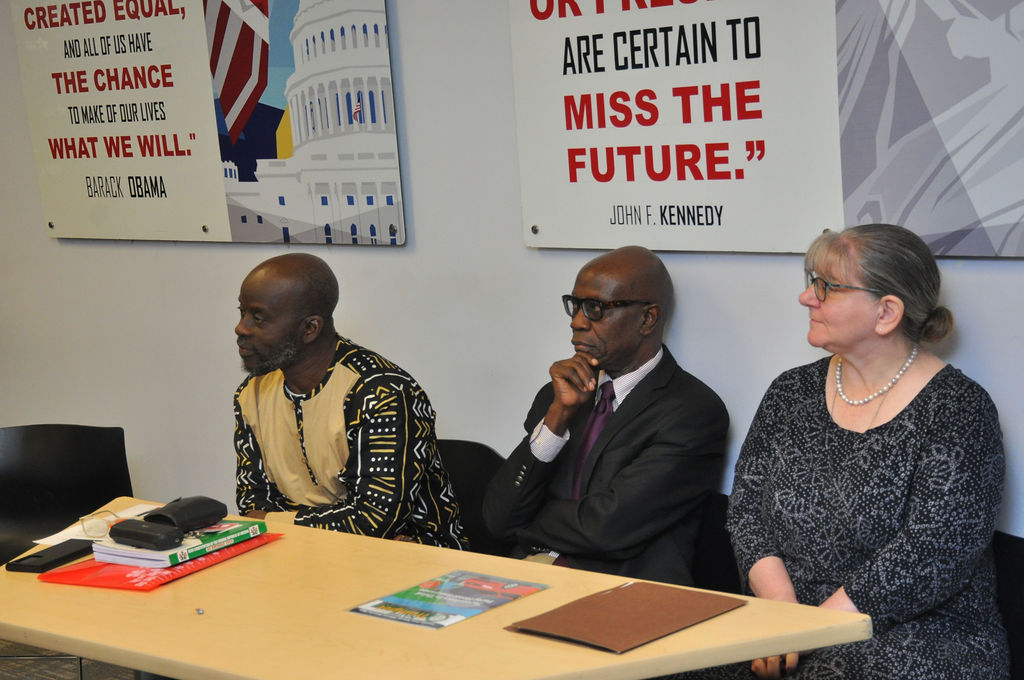
For those who think Journalism should be a free-for-all, where anyone can choose to write what they think or feel without considering the impact their reports can make, the Acting Consul General at the U.S. Consulate General in Lagos, JoEllen Gorg, says it’s not.
“Every word, every sentence, has the potential to make a difference in someone’s life,” Gorg said in her opening remarks at the Journalism Clinic on Media Law and Ethics organised by the Media Career Development Network (MCDN) with the support of the Consulate.
The facilitators at the programme were the CEO/Editor-In-Chief of Dimond Publications Limited, Mr Lanre Idowu and Legal practitioner and media consultant, Mr Gbemiga Ogunleye.
According to Gorg, with the potential for change, which could be positive or negative, comes a responsibility for journalists to seek the truth, to be fair, and to be honest in their work.
“It’s about grounding your stories in facts, ensuring you’ve done the research, and giving your audience an accurate picture of what’s going on and not manipulating them to fit a narrative. That’s what separates real journalism from clickbait or fiction.”
Gorg noted that early career journalists have something incredibly valuable, which they and their employers should treasure – a fresh perspective.
“You’re part of a generation that’s growing up at a time of immense social, political, and technological change. You’re the ones who are fluent in the language of the digital age, where news is instant, global, and constantly evolving.
“And it’s not just the big, headline stories that matter. Sometimes, the most impactful journalism is the local story about a community standing up for its rights, or the personal narrative of someone overcoming extraordinary challenges.”
She commended the commitment of journalists to telling the truth and the courage to report in a world where journalism is increasingly under pressure, noting that ethical, independent journalism has proven indispensable in holding leaders accountable, informing citizens, and safeguarding democracy.
With the risks journalists face, including online harassment, physical intimidation, censorship, arrest and violence, she said they need to have the space to report legitimately sourced stories without intimidation or harassment.
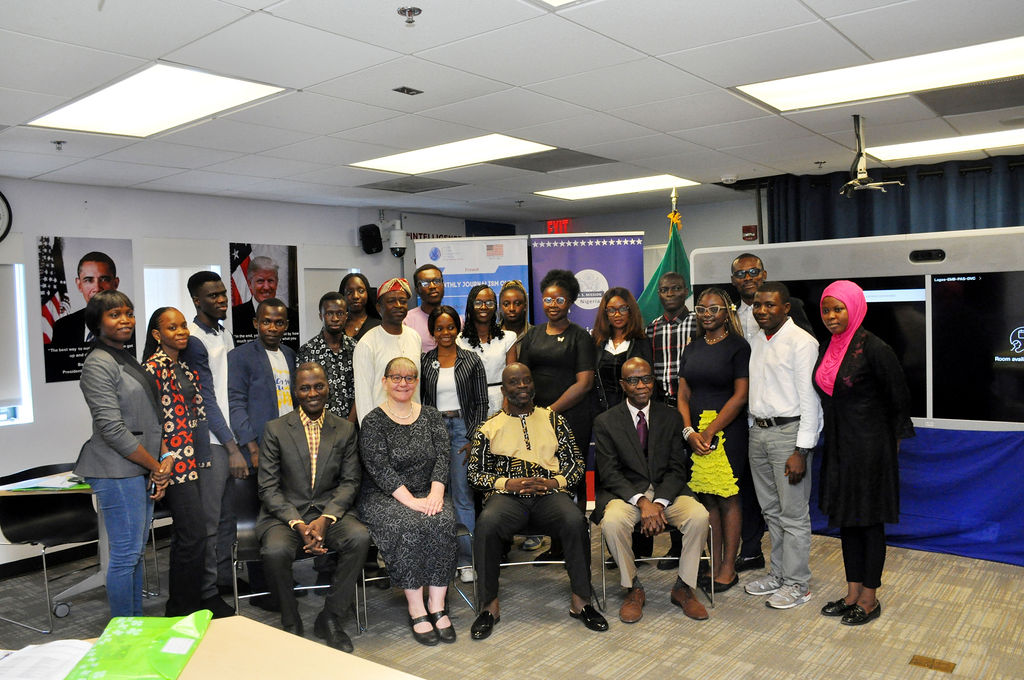
Building a strong foundation in media law and ethics, according to the Acting Consul, is critical for all journalists to be well informed about legal restrictions like libel laws and the role of ethics in modern journalism. “These are not just academic concepts; they are the tools and guardrails that will help you navigate complex situations, protect your integrity, and earn the trust of your audiences,” she stated.
While urging the participants to ask the tough questions, challenge assumptions, and learn from one another, she stated that “journalism is, at its core, about curiosity, courage, and commitment to the public good.”
Mr Idowu, who spoke on the ethics of the media, urged journalists to internalise ethical principles and not simply memorise them.
“Ethics is not something you cram. It’s a living thing,” Idowu told the participants, noting that “once you imbibe it, it becomes second nature. and guides your decisions daily.”
He underscored the importance of Nigeria’s 2022 Code of Ethics for Journalists, describing it as a model of co-regulation—a framework championed by the media but inclusive of public interest groups.
Idowu walked participants through the Code’s 16 articles, beginning with editorial independence. He warned against allowing external influences to dictate coverage. “You can tell a story about an oil company, but do it because the story is worth telling — not because you were induced to do it,” he advised.
Mr Ogunleye stressed the need to balance press freedom with responsibility.
“Journalists have the right to publish, but that right doesn’t extend to defaming people,” Ogunleye said. “For some, a good name is all they have. If you smear it, you have destroyed something precious.”
He explained defamation and its long-term consequences, especially for individuals who may seek public office or traditional titles. “What you publish could follow someone for life. That’s why you must be certain of your facts,” he said.
Ogunleye encouraged participants to read the Nigerian Constitution and familiarise themselves with legal provisions like Section 24 of the Cybercrime Act and Section 59(1) of the Criminal Code, which touch on incitement and false reporting.
READ MORE: MCDN, US Consulate hold Journalism Clinic on media law and ethics